
A Homeowner's Guide to Freezer Failures: Troubleshooting Cooling and Electrical Issues
It’s a scenario every homeowner dreads: you open your freezer expecting to grab something for dinner, only to be met with lukewarm air and the unsettling sight of thawing food. A malfunctioning freezer is more than an inconvenience; it’s a race against time to save hundreds of dollars worth of groceries. Whether your freezer has gone completely silent or it’s running but not cooling, the problem often stems from a handful of common electrical or mechanical issues. Before you panic, it’s helpful to understand what might be going wrong. As Hamilton’s trusted appliance repair experts, we’ve put together this guide to help you diagnose the most frequent freezer problems, from simple power supply glitches to more complex cooling system failures.
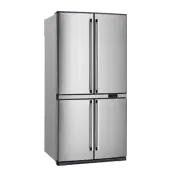
Step 1: Basic Electrical Checks for a Freezer That Won't Turn On
Before assuming the worst, let's start with the simplest and most common culprit: the power supply. Many freezer 'failures' are actually just simple electrical interruptions that you can often resolve yourself in minutes. This is always the best place to begin your troubleshooting.
Your Initial Power Checklist:
- Is the light on? If your freezer has an interior light, this is your first clue. If the light is off, it strongly suggests a power issue. If the light is on but the freezer isn't cooling, the problem lies elsewhere.
- Check the plug: It might sound obvious, but make sure the freezer is plugged securely into the wall outlet. Cords can get jostled by cleaning, pets, or shifting the unit.
- Test the outlet: Unplug the freezer and plug in a small lamp or phone charger that you know works. If it doesn't power on, the problem is with the outlet or the circuit, not the freezer itself.
- Inspect the breaker panel: Head to your home's main electrical panel (often called a breaker box). Look for a switch that has flipped to the 'OFF' position or is stuck in the middle. Flip it firmly back to the 'ON' position. If it trips again immediately, there's a more serious electrical issue that requires professional diagnosis. Appliances like freezers draw a lot of power and should ideally be on a dedicated circuit, especially in older Hamilton homes where wiring may be under more strain.
Step 2: Troubleshooting a Freezer That Has Power But Isn't Cooling
If you've confirmed the freezer is receiving power but the temperature is rising, the issue is within the cooling system. Several components work together to keep your freezer cold, and a failure in any one of them can disrupt the entire process. Here are a few common culprits.
- Dirty Condenser Coils: The condenser coils are responsible for releasing heat from the refrigerant. They are typically located on the back or bottom of the freezer. Over time, they collect dust, dirt, and pet hair, which insulates them and prevents them from releasing heat effectively. This forces the compressor to work harder, reducing efficiency and eventually leading to cooling failure. Cleaning the coils with a brush and vacuum is a crucial maintenance step that can often restore performance and lower your hydro bill.
- Faulty Evaporator Fan Motor: Do you hear a clicking or high-pitched squealing noise coming from inside the freezer? The evaporator fan circulates cold air throughout the freezer compartment. If this fan fails, the freezer won't cool properly, often leading to significant frost buildup on the back wall where the fan is located.
- Thermostat and Temperature Control: The thermostat regulates the freezer's temperature. If it malfunctions, it may not signal the compressor to turn on when needed. You can do a simple test by turning the thermostat to its coldest setting. If you don't hear a 'click' and the compressor doesn't kick in, the thermostat could be the problem.
- Excessive Frost Buildup: While a little frost is normal, a thick layer of ice can obstruct airflow and insulate the evaporator coils, preventing them from absorbing heat. This is often a symptom of another issue, like a bad door seal or a malfunctioning defrost system.

When It's Time to Call a Professional
While some issues can be resolved with a bit of cleaning or a simple reset, freezers are complex appliances. Attempting to repair components like compressors, relays, or sealed refrigerant systems without proper training and tools is dangerous and can lead to more expensive damage. Your safety and the integrity of your appliance are paramount.
You should call for professional appliance repair if you notice any of the following:
- The circuit breaker continues to trip after you reset it.
- You hear a persistent clicking sound, but the compressor never starts.
- The compressor is running constantly but not cooling.
- The body of the freezer feels excessively hot.
- You've cleaned the coils and checked the basics, but the problem persists.
A qualified technician can accurately diagnose the root cause, whether it's a failed start relay, a faulty compressor, or a refrigerant leak. Investing in a professional diagnosis is often far more cost-effective than prematurely replacing an otherwise repairable freezer. At Xiom Appliance Solutions, we provide transparent pricing and expert freezer repair services to get your appliance back in working order quickly and safely, always adhering to ESA standards.
Don't Lose Your Cool (or Your Groceries)
A broken freezer is a stressful situation, but with a methodical approach, you can often identify the problem. Start with the simple electrical checks, then move on to common cooling system components. However, it's crucial to recognize when the job requires an expert.
If you're facing a freezer emergency in the Hamilton area, don't hesitate to reach out. The experienced technicians at Xiom Appliance Solutions Inc are here to help. We offer reliable and affordable repairs for all major appliance brands. For property managers, we also provide streamlined appliance management services to keep your tenants' units running smoothly. Contact us today to schedule your service and protect your investment.