
A Homeowner's Guide to Oven and Microwave Electrical Issues
There’s nothing more frustrating than planning a meal, only to discover your oven won’t heat up or your microwave has gone completely dark. When essential kitchen appliances fail, it disrupts your entire routine. For many homeowners in Hamilton, an unexpected appliance failure brings up two major concerns: safety and the potential cost of repair. While it’s tempting to search for a quick fix, electrical issues with high-powered appliances like ovens and microwaves require a careful and informed approach.
This guide will walk you through some common electrical problems these appliances face, explain what you can safely check yourself, and clarify when it’s crucial to call in a professional. Understanding the signs of an electrical fault can help you make a safe decision and get your kitchen back to full working order.
Common Culprits When Your Oven Won't Heat
One of the most frequent complaints we hear is, "My oven's clock and lights are on, but it won't get hot." This specific problem points away from a total power loss and toward an issue with the heating components themselves. An electric oven relies on a few key parts to generate heat, and when one fails, the whole system can stop working correctly.
Here are the most likely causes:
- A Burnt-Out Heating Element: Most electric ovens have two heating elements: a bake element at the bottom and a broil element at the top. Over time, these can wear out. A visual inspection (with the power off!) might reveal blisters, cracks, or a break in the element. When it’s working, the element should glow a consistent, bright red. If it’s not glowing at all or only parts of it are, it has likely failed and needs replacement.
- A Blown Internal Fuse: Ovens have internal fuses that protect them from power surges. If a thermal fuse blows, it will cut power to the heating system as a safety measure. This is a common failure point that prevents more significant damage to the appliance's electronic controls.
- A Faulty Temperature Sensor or Igniter (Gas Ovens): The temperature sensor reads the internal temperature and signals the control board to turn the elements on or off. If it fails, the oven can't regulate its temperature. In a gas oven, a weak or faulty igniter will fail to open the gas valve, meaning the oven won't light or heat up.
While identifying a burnt-out element might seem straightforward, replacing these internal components requires disconnecting wiring and handling parts that are integral to your oven's safe operation. For a reliable and safe fix, professional oven repair and installation is always the best course of action.
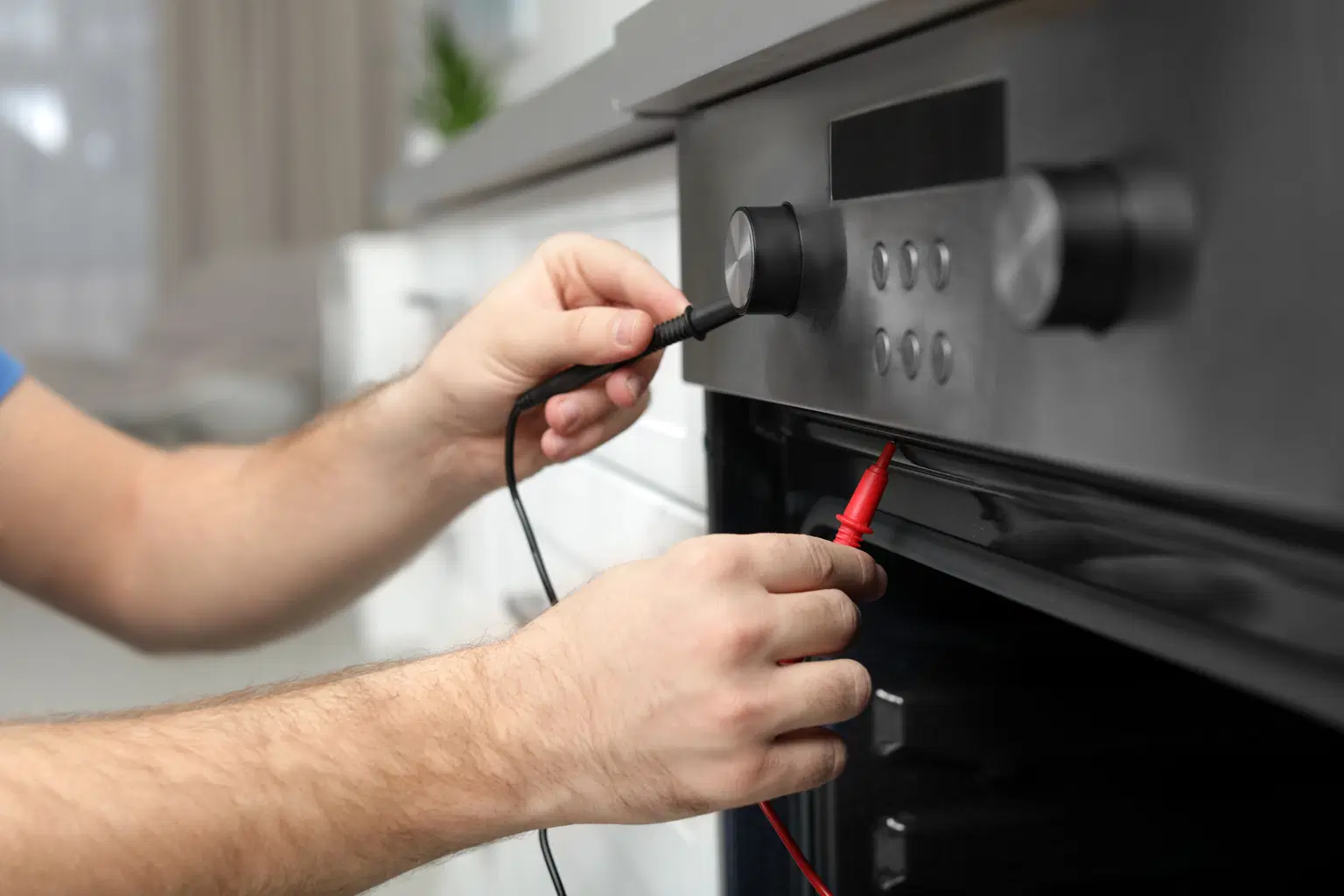
Microwave Mysteries: Why Is It Tripping the Breaker?
A microwave that immediately trips a circuit breaker or blows a fuse the moment you press "start" is signaling a serious internal short circuit. Unlike other appliances, microwaves contain a high-voltage capacitor that can store a lethal electrical charge for hours or even days after being unplugged. For this reason, you should never attempt to disassemble or repair a microwave yourself.
Common causes for a microwave blowing a fuse include:
- Faulty Door Switches: Microwaves have several interlock switches that ensure the unit cannot operate when the door is open. If one of these switches fails, it can create a direct short, causing the breaker to trip instantly.
- High-Voltage Component Failure: The magnetron (which creates the microwaves), capacitor, or high-voltage diode are critical components. A malfunction in any of these parts can lead to a major electrical fault.
- Damaged Waveguide or Fan: A malfunctioning stirrer or ventilation fan motor can also short out, leading to a blown fuse.
Given the inherent dangers, any issue beyond a microwave simply not turning on requires professional diagnosis. Our technicians have the specialized equipment and training to safely discharge the capacitor and perform expert microwave repairs and installations.
Safe First Steps: What to Check Before You Call
Before assuming the worst, there are a couple of simple, safe checks you can perform that might solve the problem without needing a service call. These steps apply to both ovens and microwaves.
-
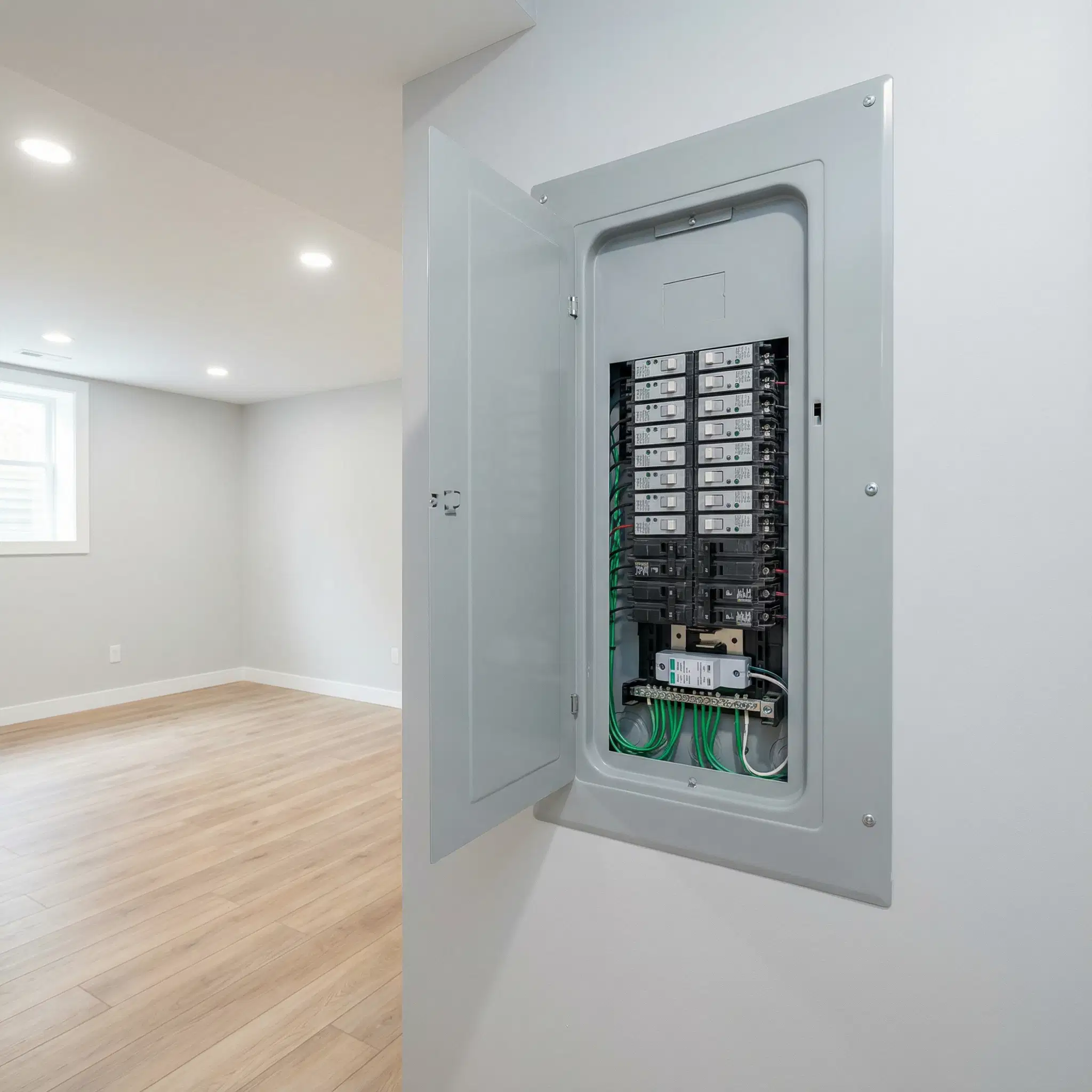
Check Your Breaker Panel: The first thing to do when an appliance loses power is to check your home's main electrical panel (often called a breaker panel or fuse box). Ovens and some over-the-range microwaves require a dedicated, high-amperage circuit. It's possible the breaker has tripped. Look for a switch that is in the 'off' position or in a middle position between 'on' and 'off'. To reset it, push it firmly to the 'off' position and then back to 'on'. If it trips again immediately, there is a persistent fault, and you should not attempt to reset it again.
-
Test the Outlet: For a countertop microwave, the issue could be the outlet itself. Unplug the microwave and plug in a small, simple appliance you know is working, like a lamp or a phone charger. If that device doesn't work either, the problem is with the outlet or the circuit, not the microwave.
If these simple checks don't resolve the issue, it's time to call for professional help. Continuing to use a faulty appliance or attempting a DIY repair can lead to further damage or create a serious safety hazard.
Your Trusted Partner for Appliance Electrical Repairs
Modern kitchen appliances are complex machines. Their intricate wiring and electronic control boards require specialized knowledge to diagnose and repair safely. At Xiom Appliance Solutions Inc., we prioritize the safety and satisfaction of our customers. Our technicians are fully licensed, insured, and adhere to all ESA (Electrical Safety Authority) standards, ensuring every job is done right.
Trying to fix a complex electrical problem on your own can void your appliance's warranty, cause more extensive damage, and, most importantly, put you at risk. Don't let a faulty oven or microwave disrupt your life. For professional and reliable appliance repair in the Hamilton area, trust our experienced team to provide a safe and effective solution.
Is your oven or microwave on the fritz? Contact us online or call Xiom Appliance Solutions Inc. today at (289) 260-0462 for prompt and professional service.