
Built-In Microwave Installation and Safety Guidelines
Upgrading your kitchen with modern appliances instantly elevates both the function and aesthetic of your home. Transitioning from a bulky countertop unit to a sleek, built-in model is a great way to reclaim valuable counter space. However, this upgrade involves more than just sliding a new appliance into a cabinet. Proper installation requires a solid understanding of your home's electrical system, especially in areas like Hamilton where older housing stock often hides outdated wiring.
Built-in and over-the-range microwaves draw a significant amount of power. Because they are integrated directly into your cabinetry or mounted above your cooking surface, any electrical fault or overheating issue poses an immediate safety risk. Many homeowners on The Mountain and in the lower city are surprised to learn that their current electrical panels might struggle to handle the simultaneous load of modern kitchen suites. Understanding the necessary safety guidelines before you purchase your new appliance will save you from unexpected delays and electrical hazards.
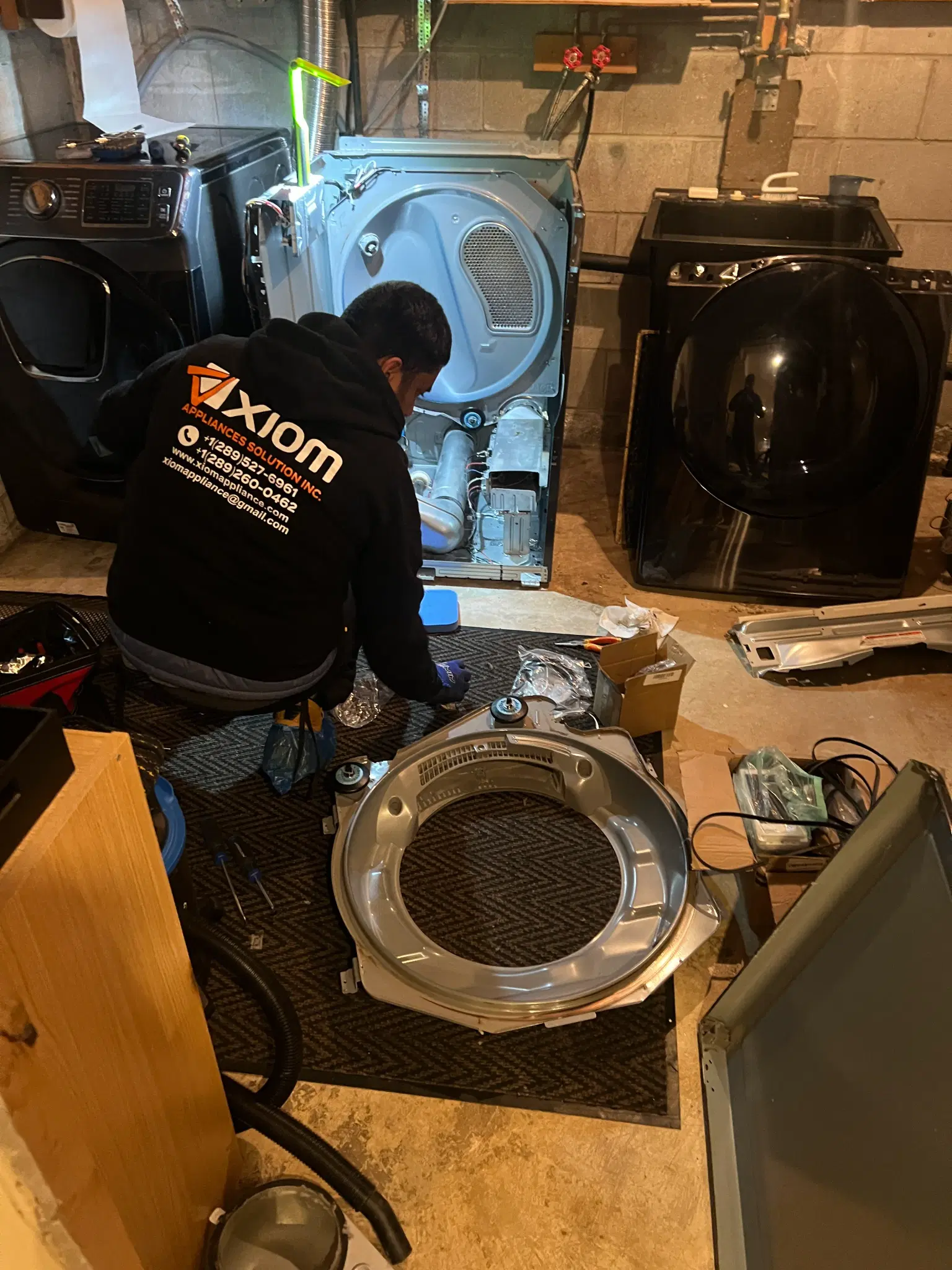
Navigating Circuit and Power Requirements
One of the most frequent issues homeowners encounter when attempting DIY installations is overlooking the specific power needs of their new appliance. When assessing over the range microwave electrical circuit requirements, the cardinal rule is that these units typically require a dedicated 20-amp, 120-volt grounding circuit.
Why is a dedicated circuit so vital? Microwaves use a massive surge of electricity when they first cycle on. If your built-in microwave shares a circuit with your refrigerator or kitchen lighting, that initial surge will frequently overload the system. This is often why a circuit breaker keeps tripping in older homes. To avoid straining your home's hydro system, professional appliance installation is always the safest route. A qualified technician will evaluate your current panel capacity and ensure that the wiring routing through your walls complies with current safety authority standards.
Troubleshooting Common Microwave Electrical Issues
Even with a high-quality appliance, everyday wear and tear can lead to operational hiccups. Because built-in units are secured directly into your cabinetry, diagnosing electrical problems can feel intimidating.
One highly specific issue homeowners face is a unit that shorts out immediately upon opening. If you are searching for a microwave blowing fuse when door opens fix, the problem is almost always tied to the appliance's door interlock switches. These safety mechanisms are designed to instantly cut power when the door opens, preventing exposure to harmful microwave energy. If a switch fails, the appliance intentionally blows the internal fuse to prioritize your safety.
Another frequent complaint is a unit that runs but fails to warm food. There are several reasons microwave stops heating mid cycle, ranging from a failing door switch to a burned-out high-voltage diode or magnetron. Because these components hold lethal amounts of electricity even after the appliance has been unplugged, troubleshooting internal components is never a DIY project.
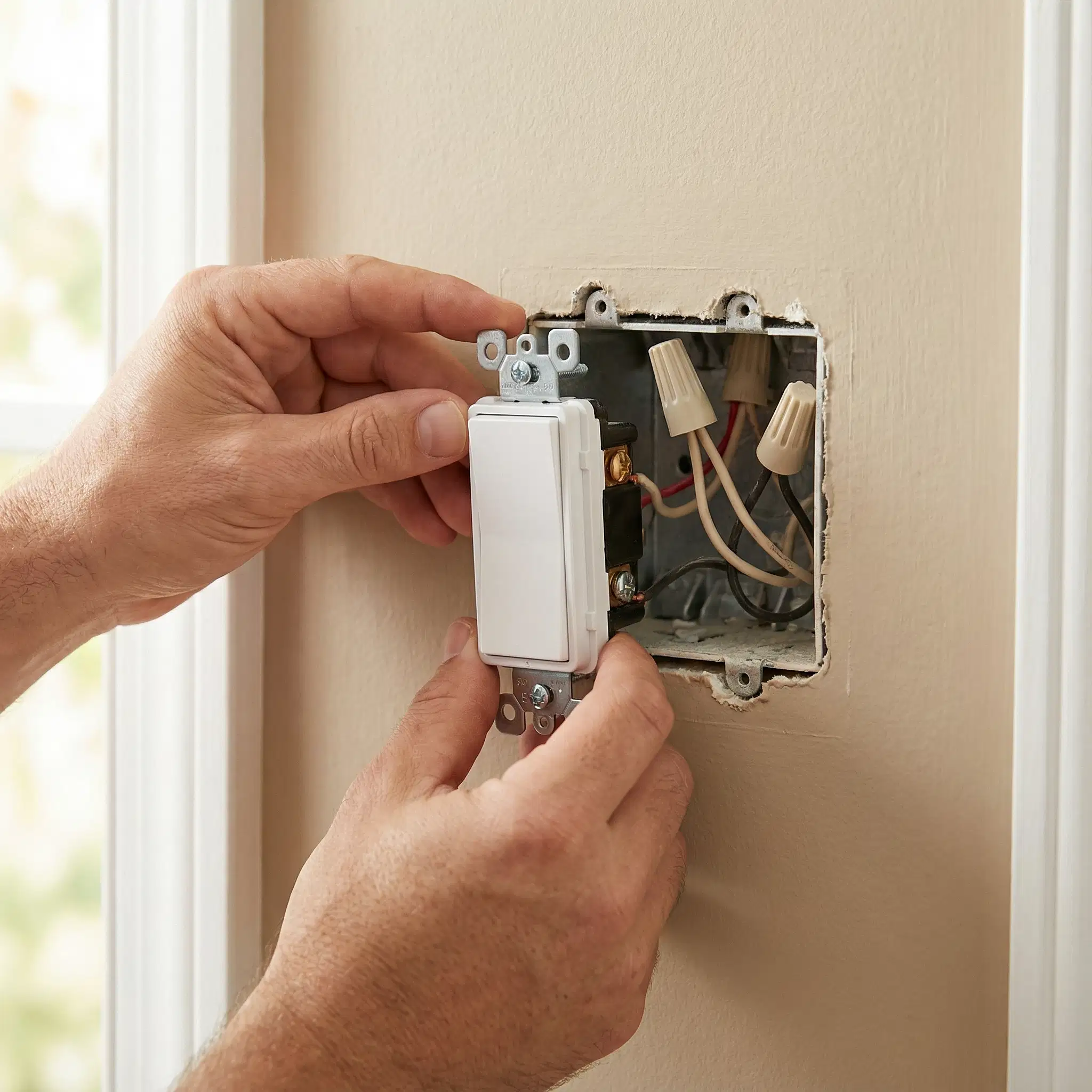
Understanding Installation and Repair Investments
At Xiom Appliance Solutions Inc, we know transparency is crucial when you are budgeting for home improvements or unexpected repairs. When reviewing a built in microwave installation cost guide, it is important to factor in the electrical groundwork. If your kitchen already has a dedicated 20-amp receptacle in the correct cabinet location, installation is quite straightforward. If new wiring needs to be routed from your main panel, the investment will reflect that necessary labor and adherence to local safety codes.
For repairs, our process is designed to be as fair as possible. We start by gathering the brand and serial number of your appliance to ensure we understand the exact model. We charge a standard service fee of $89.99 plus tax to dispatch a qualified professional to your home, and this fee is fully deducted from your total service cost if you proceed with the repair.
Whether you need help diagnosing a malfunctioning built-in unit or require professional microwave installation & repair, trust the experts who prioritize safety and reliable workmanship across the GTHA. Please visit our contact us page to schedule an appointment today. Let us help you keep your kitchen safe and running smoothly.