
Garage-Ready Freezer Installation and Maintenance Tips
For many busy households across Hamilton, having extra food storage space isn't just a luxury; it's a practical necessity. Whether you are stocking up on seasonal produce from local farms or preparing meals ahead of time for a busy family schedule, an extra freezer in the garage can be a total game-changer. However, our distinct four-season climate brings unique challenges to running appliances in unheated spaces. If you have ever wondered why your secondary freezer struggles when the temperature drops, you are not alone.
At Xiom Appliance Solutions Inc, we regularly field questions from homeowners who are frustrated by appliance failures right when they need them the most. A common misconception is that because freezers are designed to be cold, sitting in a freezing garage should actually help them work better. In reality, modern electrical appliances require specific ambient temperatures to function correctly. Extreme cold can completely disrupt your appliance's internal thermostat, leading to thawed food and a lot of frustration.
We believe in empowering our customers with knowledge, transparent pricing, and quality service backed by almost a decade of experience. In this post, we will walk you through everything you need to know about setting up and maintaining a freezer in your garage so it operates efficiently all year round, minimizing spikes in your hydro bill and maximizing the lifespan of your appliance.
The Winter Dilemma: Why Does a Garage Freezer Stop Working in Winter?
It sounds completely counterintuitive, but a freezer can actually stop freezing when the air around it gets too cold. To understand why does garage freezer stop working in winter, you have to look at how the appliance's thermostat operates. Most standard refrigerators and freezers are designed for indoor use, expecting an ambient room temperature between 15 and 32 degrees Celsius.
When the temperature in your unheated garage drops below freezing during those harsh winter months in The Golden Horseshoe, the freezer's thermostat registers that it is already cold enough. Because the surrounding air is colder than the thermostat's set point, the compressor simply shuts off. It thinks its job is done. However, because the freezer isn't actively running its cooling cycle, the internal temperature can slowly rise as the sun hits the garage or ambient temperatures fluctuate, eventually causing your stored food to thaw and spoil.
This is why investing in a specifically designated "garage-ready" model is so highly recommended. These units are built with specialized sensors and varied insulation that can handle wider temperature swings, forcing the compressor to engage even when the ambient air is bitterly cold.
Essential Garage Ready Upright Freezer Installation Requirements
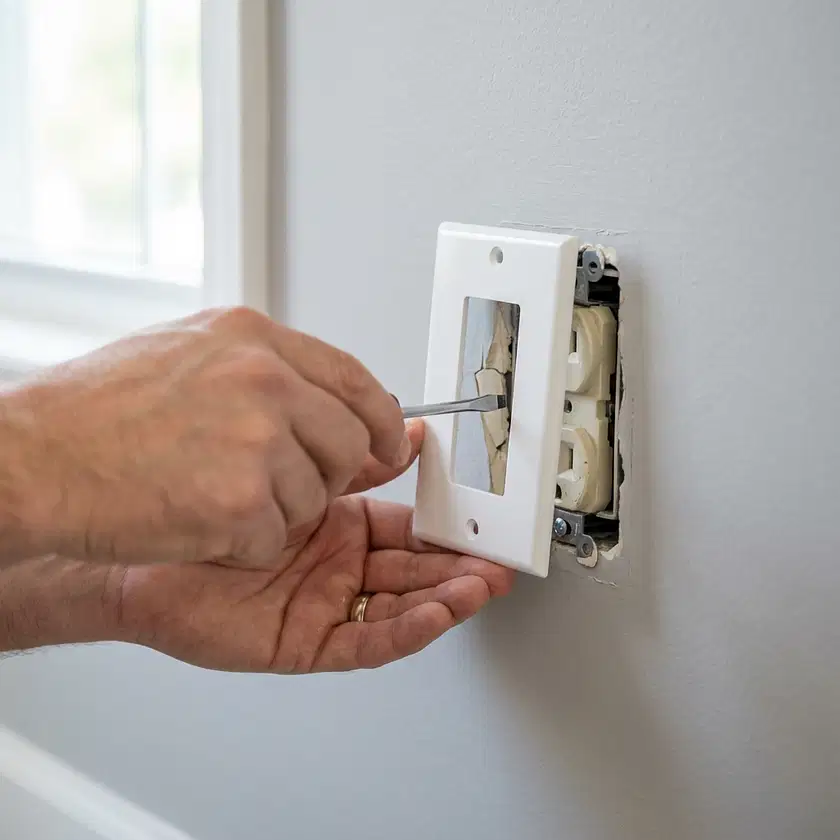
If you are planning to add a new unit to your space, meeting the proper garage ready upright freezer installation requirements is critical for both safety and performance. First and foremost is the electrical setup. A freezer requires a dedicated electrical circuit. Plugging a high-draw appliance into a shared outlet—especially one that might be running heavy garage tools, space heaters, or an EV charger—is a recipe for tripped breakers and potential fire hazards.
Before bringing your new appliance home, it is a good idea to evaluate your home's electrical capacity. Many older properties might not have the necessary infrastructure to support modern, high-efficiency appliances in auxiliary spaces. If you find yourself constantly resetting the breaker, it might be time to look into the electrical panel upgrade cost. Having a fully licensed, insured master electrician assess your panel ensures your home complies with the latest updates to the Canadian Electrical Code (CEC). This protects your property from the dangers of unsafe wiring and gives you peace of mind.
Furthermore, the physical placement of the freezer matters. Ensure the appliance is elevated slightly off the bare concrete floor, perhaps on a sturdy wooden base or heavy-duty rubber mat, to protect it from moisture and salt that might get dragged in off the roads. Leave at least three inches of clearance around the back and sides of the unit to allow for proper airflow; restricted ventilation can cause the compressor to overheat, drastically shortening the appliance's lifespan.
Solutions for Existing Units: How to Keep Chest Freezer Running in Cold Garage
If you already own a standard freezer and don't want to replace it, you might be wondering how to keep chest freezer running in cold garage conditions. One of the most effective solutions is using a specialized adapter. For older or non-garage-ready units, installing garage freezer temperature kit troubleshooting steps can save your frozen goods.
These aftermarket kits effectively trick the freezer's thermostat into thinking the ambient air is warmer than it actually is. By placing a small heating coil near the thermostat, the kit ensures the compressor continues to cycle on and off properly, keeping the internal temperature safely below freezing regardless of the weather outside. While this sounds like a simple fix, it involves working directly with the appliance's internal electrical components. Attempting DIY electrical repairs without proper training can lead to voided warranties or accidental damage. Relying on professional appliance installation services ensures the job is done safely and correctly the first time.
Regular maintenance is also key to keeping your unit running efficiently. Defrost your freezer at least once a year or whenever the frost buildup reaches a quarter of an inch. Thick frost acts as an insulator, forcing the compressor to work twice as hard to maintain temperatures, which inevitably drives up your hydro usage. Additionally, routinely clean the condenser coils at the back or bottom of the unit. Dust and debris restrict heat transfer, leading to mechanical stress and potential appliance failure.
When to Call the Professionals for Electrical Services
Navigating the complexities of major appliance placement and maintenance doesn't have to be a stressful experience. From ensuring you have the correct dedicated electrical repair capabilities in your garage to fixing a unit that has suddenly started making strange rattling noises, professional support makes all the difference.
At Xiom Appliance Solutions Inc, we understand that appliance breakdowns are disruptive. We pride ourselves on transparent, upfront pricing, which is why our service diagnostic fee is a straightforward $89.99 plus tax, which is fully deducted from your total service cost if you proceed with the repair. We never want you to be caught off guard by hidden fees or uncertified contractors cutting corners.
If your garage freezer is struggling to maintain temperature, or if you need to ensure your home's wiring can handle a new unit, we are here to help. Explore our comprehensive appliance installation options to get your new unit set up right the first time. If you are dealing with an existing appliance that is acting up, reach out to us for expert freezer installation and repair. Let our dedicated team keep your appliances running smoothly so you can focus on what matters most.