
Keeping Your Kitchen Safe: A Guide to Modern Appliance Electrical Safety
Your kitchen is the heart of your home, a place buzzing with activity and powered by an array of modern appliances. From the morning microwave to the evening oven, we rely on these workhorses every day. But with advanced technology and higher power demands comes a greater need for electrical safety. A sparking microwave or a stove that isn't heating correctly isn't just an inconvenience—it can be a sign of a serious electrical issue. For homeowners here in Hamilton, understanding the basics of appliance electrical safety is key to a secure and smoothly running home. This guide will walk you through common warning signs, essential maintenance tips, and why professional service is your safest bet.
The Power Behind Your Appliances
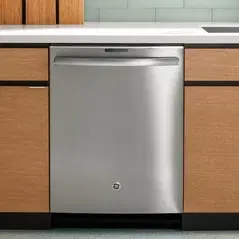
Modern kitchen appliances, especially electric stoves, ovens, and cooktops, are some of the most power-hungry devices in your home. Unlike a toaster or a coffee maker, they can't just be plugged into any outlet. These major appliances require their own dedicated circuits connected directly to your main breaker panel to handle the high electrical load safely.
Using extension cords or power bars for these appliances is a significant fire hazard. These are not designed to handle the sustained, high-power draw, which can lead to overheating, melting, and dangerous electrical situations. Ensuring each major appliance has a proper, professionally installed outlet is the first and most critical step in kitchen safety. It not only protects your home but also helps you avoid nuisance issues like a circuit breaker that keeps tripping every time you try to preheat the oven.
Common Electrical Warning Signs You Shouldn't Ignore
Your appliances will often give you clues when something is wrong with their electrical systems. Paying attention to these signs can help you prevent a small issue from becoming a major hazard. Here are a few common problems we see:
-
An electric stove burner isn't heating up: If one of your burners remains cold while others work, the issue could be a faulty burner, a bad switch, or a problem with the wiring connection. While it might seem like a simple fix, diagnosing the root cause is essential for a safe and lasting stove repair.
-
Your microwave is sparking or making buzzing noises: Sparks or unusual sounds are an immediate red flag. This could be caused by something as simple as a bit of foil left inside, but it can also indicate a damaged waveguide cover or a failing magnetron. Unplug the unit immediately and do not use it until it has been inspected by a professional. A faulty microwave is not something to take chances with. Learn more about our microwave repair services.
-
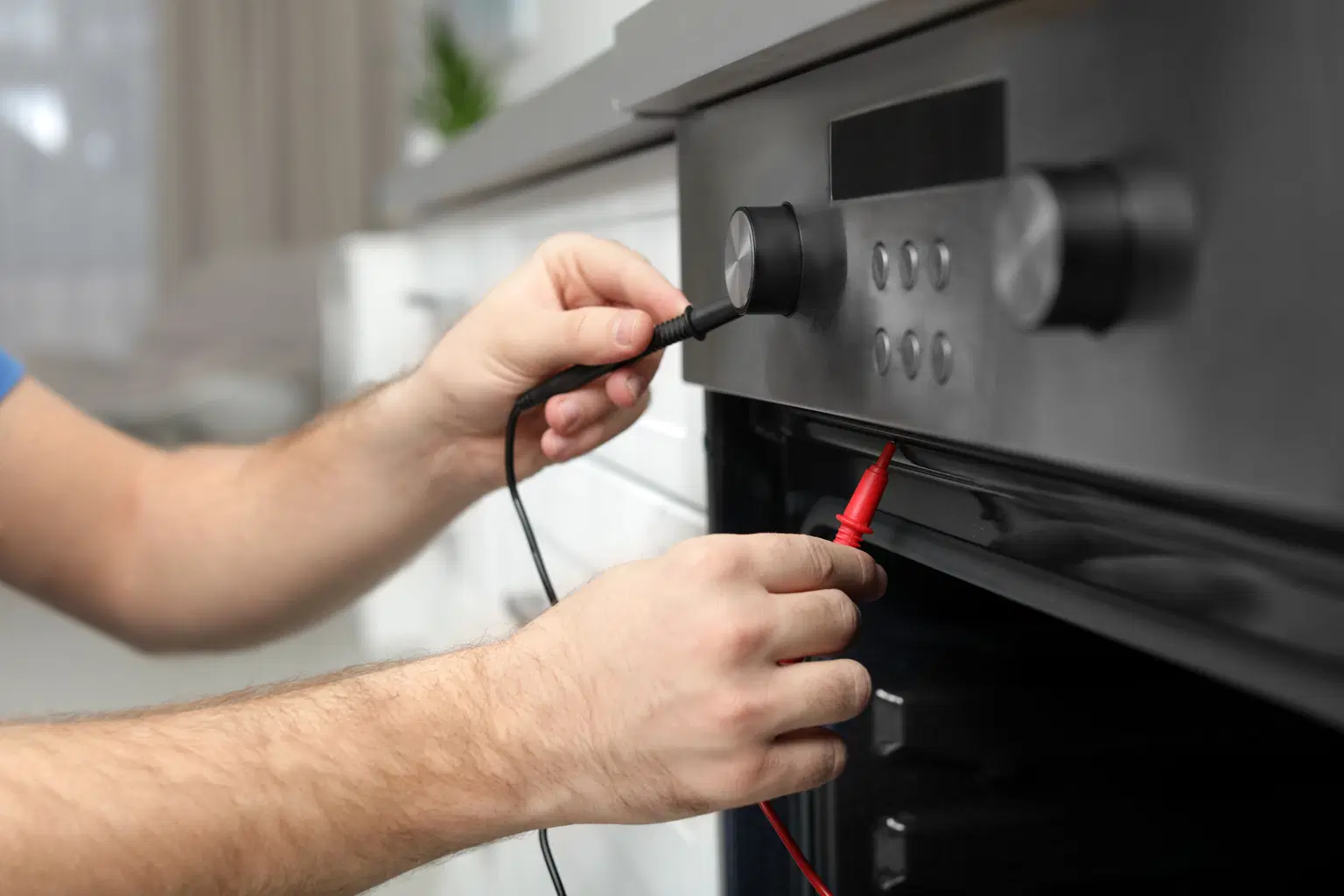
The oven temperature is inaccurate: If your baking is inconsistent or your oven takes forever to heat up, the problem might be electrical. A faulty temperature sensor, a failing heating element, or a compromised electrical connection can all lead to poor performance. An expert can safely test these components and perform the necessary oven repair to get it working correctly.
-
Flickering lights when an appliance turns on: Do your kitchen lights dim or flicker when the microwave or oven kicks on? This can suggest that the circuit is overloaded or that there's a loose connection somewhere in your home's wiring. It's a sign that your electrical system is straining to keep up.
Proactive Maintenance for Electrical Safety and Longevity
While most electrical repairs require a licensed professional, there are simple things you can do to maintain your appliances and prevent issues. Regular maintenance not only enhances safety but can also extend the life of your valuable kitchen equipment.
- Keep Them Clean: Food spills and grease buildup can damage electrical components over time. Regularly clean your stovetop, oven interior, and microwave, making sure to unplug the appliance first where possible.
- Check Cords and Plugs: Periodically inspect power cords for any signs of fraying, cracking, or damage. Ensure plugs fit snugly into their outlets. A loose plug can create a poor connection, leading to heat buildup.
- Don't Block Vents: Appliances like microwaves and refrigerators have vents to dissipate heat. Make sure these are never blocked by clutter, as proper airflow is crucial for preventing overheating.
- Reset with Care: If a circuit breaker trips, it's doing its job by protecting against an overload. Before resetting it, turn off or unplug the appliance that caused it to trip. If it trips again immediately, there is likely an underlying issue that needs professional diagnosis.
Why Professional Installation and Repair is Non-Negotiable
In an age of DIY tutorials, it can be tempting to try and fix an appliance yourself. However, when it comes to electrical work, the risks far outweigh the potential savings. Improper repairs can lead to electrical shocks, fires, and further damage to the appliance. A licensed and insured technician has the training, tools, and knowledge to perform the job safely and correctly, adhering to all ESA (Electrical Safety Authority) standards.
At Xiom Appliance Solutions Inc., our technicians have almost a decade of experience in diagnosing and repairing complex electrical issues in all major kitchen appliances. We believe in transparent pricing and quality service, ensuring your home's electrical systems and appliances function safely and reliably. From a simple burner replacement to a full appliance installation, we prioritize your safety and peace of mind.
Your Trusted Partner for Appliance Safety in Hamilton
Your kitchen appliances are a major investment, and keeping them running safely is our top priority. By recognizing electrical warning signs and leaving repairs to the experts, you can protect your family and your home.
If you're experiencing any issues with your stove, oven, microwave, or other major appliances, don't hesitate to reach out. For professional, reliable, and safe appliance repair services in the Hamilton area, contact the experienced team at Xiom Appliance Solutions Inc. today. We're here to help keep your kitchen running safely and efficiently.