
Troubleshooting Washing Machine Water Fill Problems
Few things are more frustrating than gathering up your family's laundry, pressing start, and hearing absolutely nothing. Or perhaps you are dealing with your washing machine taking too long to fill with water, turning a quick chore into an all-day event. If you live in Hamilton or the surrounding areas, a malfunctioning washer can throw off your entire week and create unnecessary stress. At Xiom Appliance Solutions Inc, we see these issues daily. Let's explore why your washer might be struggling to fill and what you can do to troubleshoot the problem.
Why Is Your Washing Machine Taking Too Long to Fill with Water?
When a washer takes an eternity to fill, the problem usually starts at the source. Before panicking about expensive electrical repairs, check your household water pressure and the supply valves behind the machine. Sometimes, the valves have simply been bumped and aren't opened all the way.
Next, inspect the fill hoses. Over time, these hoses can become kinked or pinched, especially if the machine has shifted during heavy spin cycles. Another common culprit is the small wire mesh screens located just inside the water inlet valve where the hoses connect. If you live in an area with hard water, sediment and mineral deposits can easily clog these screens. This restricts water flow, making your machine work twice as hard while wasting hydro in the process. Cleaning these screens carefully with a small brush can often restore normal water flow instantly.
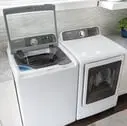
Washing Machine Not Filling with Hot or Cold Water
If your machine fills fine on a warm cycle but struggles when you select exclusively hot or cold, you are likely dealing with an isolated supply issue or a failing water inlet valve.
First, ensure both your hot and cold water supply lines are fully turned on and that the hoses haven't been accidentally swapped. If the supply is fine but you find yourself in a washer water inlet valve buzzing no water troubleshooting scenario, you have pinpointed the most likely suspect. The buzzing sound is the electrical solenoid trying to open the valve, but a mechanical failure or severe blockage is preventing the water from flowing.
When solenoids fail, they can no longer lift the internal plunger to let water through. This is a common wear-and-tear issue, particularly in households that do multiple loads of laundry a day. Ignoring that buzzing sound isn't just an annoyance; it can eventually lead to electrical shorts or cause the valve to stick open, potentially causing a flood in your laundry room. Addressing the sound early is the best way to protect your property and extend the lifespan of your appliance.
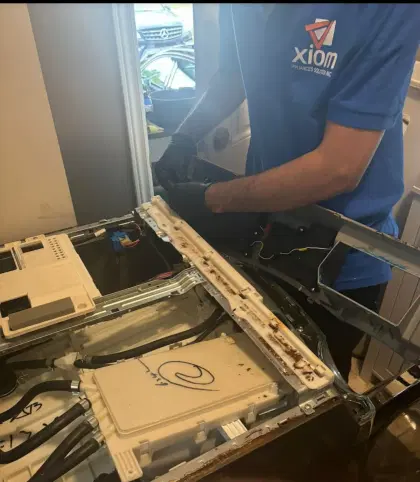
How to Test a Washing Machine Water Inlet Valve with a Multimeter
If you are comfortable with basic diagnostics and safety procedures, you can test the solenoids yourself. Always unplug the washing machine from the wall before removing any panels to avoid electrical hazards.
Once you have access to the water inlet valve, which is usually located at the back of the machine where the hoses connect, gently remove the wire harnesses attached to the solenoids. Set your multimeter to the ohms or resistance setting. If you want to know how to test washing machine water inlet valve with multimeter safely, simply touch the testing probes to the two metal terminals on each solenoid.
A healthy solenoid typically reads between 500 and 1,500 ohms, depending on the manufacturer. If your multimeter reads infinity or zero resistance, the solenoid has burned out, and the entire valve assembly will need to be replaced. While testing is straightforward for those with electrical experience, replacing the valve and ensuring water-tight seals is often best left to a professional appliance repair technician to prevent accidental water damage or safety compliance issues.
When to Call the Professionals at Xiom Appliance Solutions Inc
Dealing with a broken washer is stressful, especially when dirty clothes are piling up. At Xiom Appliance Solutions Inc, we understand that our customers value honest communication and upfront pricing. We start every repair with a comprehensive diagnostic assessment for a flat service fee of $89.99 plus tax. This fee covers our technician's time and travel to thoroughly inspect your appliance and identify the exact root of the problem. The best part? That diagnostic fee is fully deducted from your total service cost if you proceed with the repair. No hidden fees, no surprises—just honest work from experienced professionals.
Whether you need a simple valve replacement, routine maintenance, or comprehensive washer installation and repair, our team is fully equipped to handle it safely and efficiently. We pride ourselves on prompt, reliable service across the GTHA, ensuring your home's appliances are running smoothly, safely, and efficiently.
Don't let a faulty water valve disrupt your family's routine. If your washing machine is buzzing, filling slowly, or refusing to fill at all, reach out to Xiom Appliance Solutions Inc today to schedule your service appointment. We are here to get your laundry day back on track.