
Your Guide to Safe Electric Stove and Oven Electrical Requirements
Getting a new electric stove or oven is an exciting upgrade for any kitchen. It promises better meals, more efficient cooking, and a fresh look for the heart of your home. But before you can start baking and roasting, there's a critical step that often gets overlooked: ensuring your home's electrical system is ready for the job. For homeowners here in Hamilton, understanding the specific power requirements for these high-demand appliances is the key to ensuring safety, performance, and peace of mind. An improper connection isn't just an inconvenience; it can be a serious hazard.
Many older homes in our area weren't built to handle the electrical loads of modern appliances. This can lead to frustrating issues like tripped breakers or, worse, create significant safety risks. This guide will walk you through the essential electrical requirements for your electric stove and oven, explain common problems, and clarify why professional installation is always the smartest choice.
Why Proper Electrical Setup is More Than Just Plugging It In
Unlike a toaster or a microwave, an electric stove or oven is one of the most power-hungry appliances in your home. It requires a dedicated, high-voltage circuit to operate safely and effectively. Attempting to connect it to a standard outlet or using incorrect wiring can lead to a host of serious problems:
- Fire Hazard: This is the most significant risk. Overloaded circuits, improper wire gauges, or loose connections can generate immense heat, creating a severe fire risk behind your walls or at the outlet.
- Appliance Damage: Supplying your new stove or oven with incorrect voltage or unstable power can damage its sensitive electronic components, leading to costly repairs and a shorter lifespan.
- Poor Performance: An underpowered oven may struggle to reach the correct temperature, and burners might not heat up properly, leading to unevenly cooked food and frustrating kitchen experiences.
- Code Violations: All electrical work in Ontario must comply with the Electrical Safety Authority (ESA) standards. A DIY installation that doesn't meet code can cause issues with your home insurance and create problems if you decide to sell your home later.
Ensuring your electrical system is up to the task isn't just about following rules; it's about protecting your family, your home, and your investment in a quality appliance. A safe setup is the foundation of a safe and functional kitchen.
Understanding the Power Your Stove Needs: Volts, Amps, and Outlets
So, what exactly does your electric range need? While your specific model's manual is the ultimate guide, here are the universal requirements for nearly all electric stoves and ovens.
The 240-Volt Dedicated Circuit
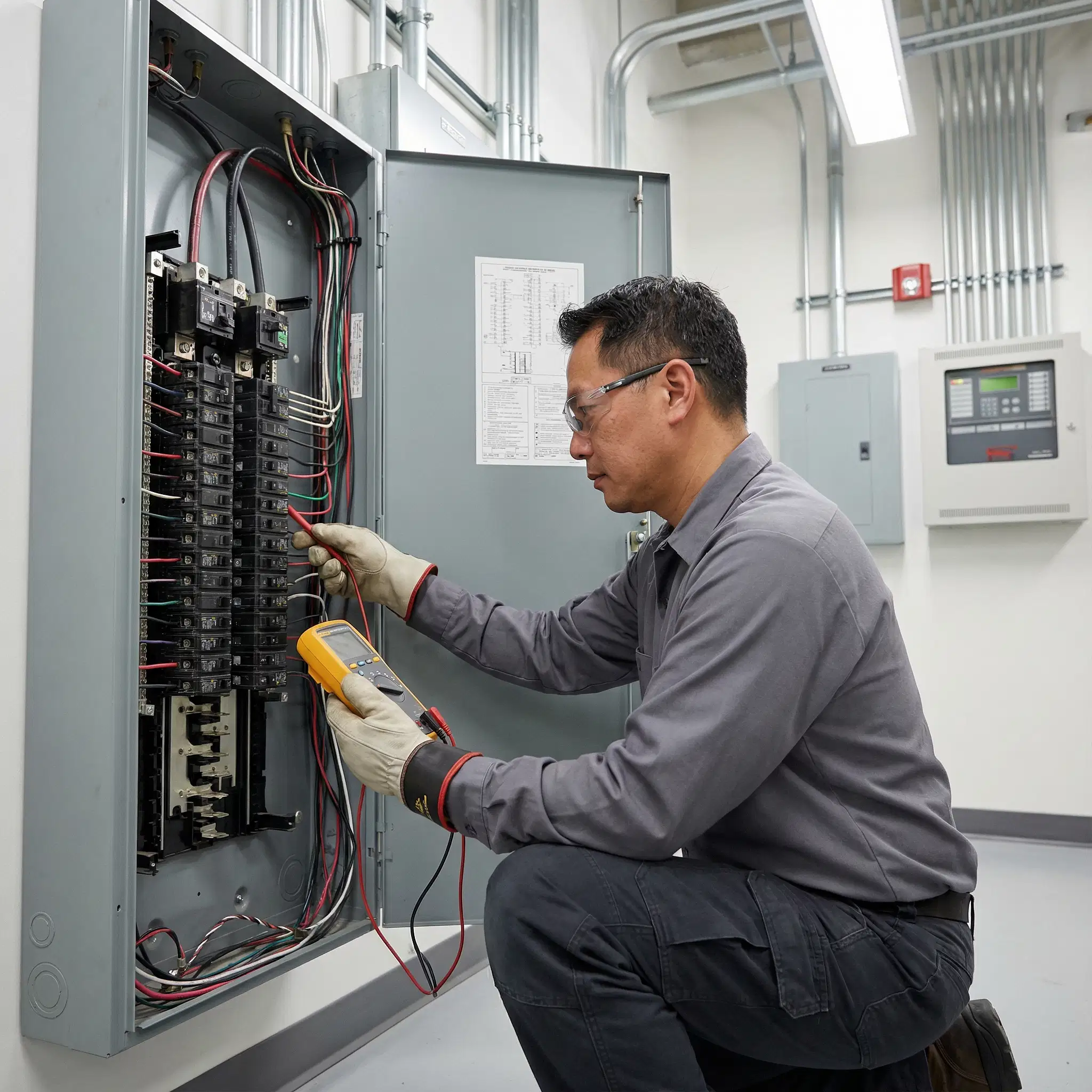
Most outlets in your home provide 120 volts of power. An electric stove, however, requires a 240-volt circuit. This is achieved by drawing power from two 'hot' wires in your breaker panel simultaneously. Crucially, this must be a dedicated circuit, meaning no other appliances or outlets can share its power. This ensures the stove has all the energy it needs without overloading the system.
Amperage Requirements
The circuit must also be rated for the correct amperage, which is typically 40 or 50 amps for a standard electric range. The breaker in your panel and the wiring inside your walls must all be rated to handle this load safely. Many older homes in Hamilton, especially those with original knob and tube wiring or 60-amp fuse boxes, may require a full service upgrade to safely accommodate a modern stove.
The Right Receptacle
Modern electric stoves use a 4-prong plug and receptacle. This design includes two 'hot' wires, a neutral wire, and a ground wire, offering the safest connection. Older homes might have a 3-prong outlet. While adapters exist, the safest and most code-compliant solution is to have a professional update the outlet and wiring to the current 4-prong standard during your appliance installation.
Common Electrical Problems and When to Call a Pro
Even with a proper setup, electrical issues can arise over time. Some problems might seem minor, but they can indicate a more serious underlying issue. Here are a few common symptoms that warrant a professional diagnosis:
- The oven won't reach temperature: While this is often a faulty heating element, it can also be caused by a problem with one of the legs of your 240V circuit, meaning the oven is only receiving half the power it needs.
- A single burner isn't working: This is usually a bad burner or a faulty switch, but it could also point to a wiring issue within the stove itself that requires professional attention.
- The stove or oven is completely dead: Before panicking, check if the breaker has tripped. If it has, and it trips again immediately after you reset it, you have a short circuit that needs to be addressed by a qualified technician right away.
- You see sparks or smell burning plastic: Shut off the power at the breaker immediately and call for an emergency repair. Do not attempt to use the appliance. This indicates a dangerous electrical fault.
Attempting to diagnose and fix these issues without proper training and tools is extremely dangerous. A professional technician can safely identify the root cause and perform the necessary appliance repair to get your kitchen back in working order.
Trust the Experts for Safe Installation and Repair
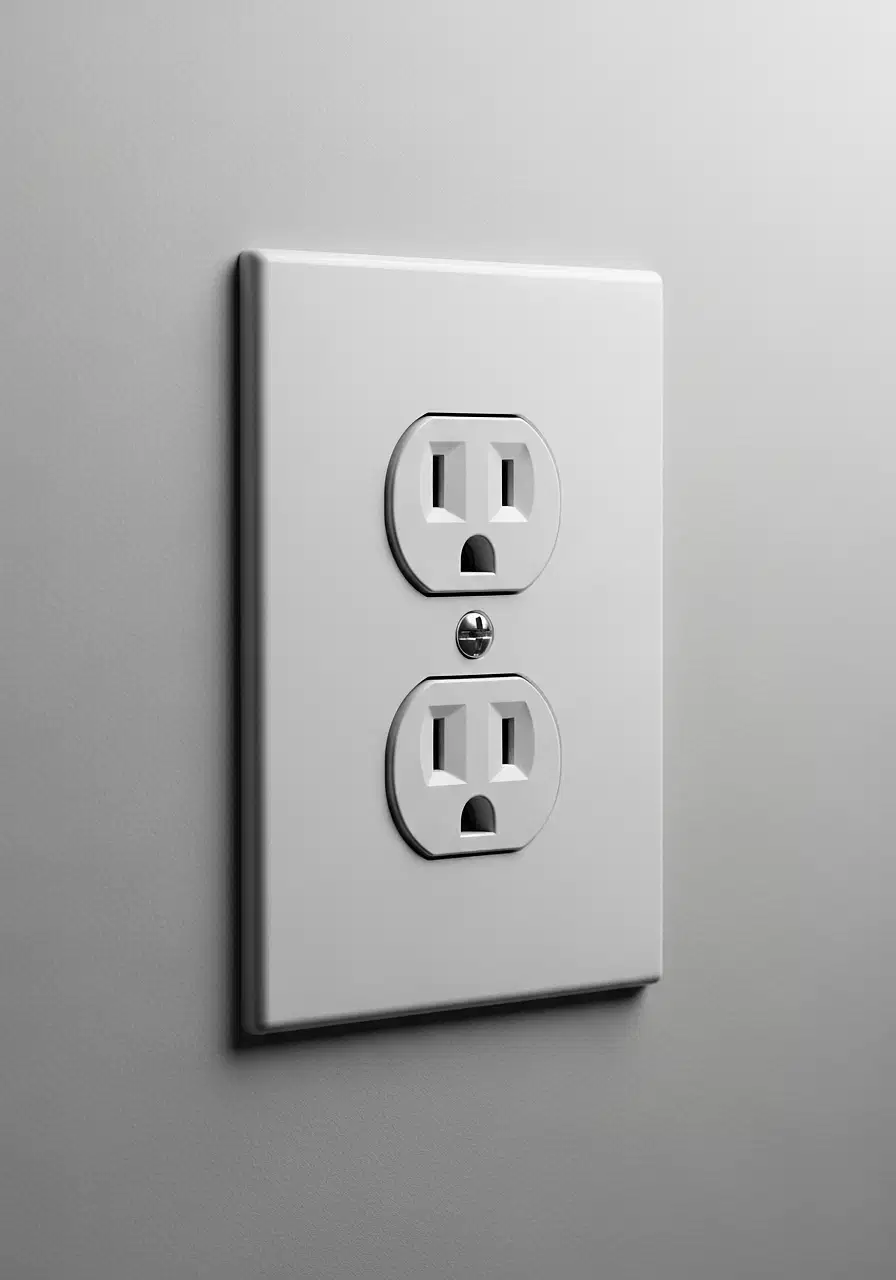
When it comes to the high-power world of electric stoves and ovens, safety cannot be compromised. All major electrical work, including the installation of a new 240V circuit, requires a permit and an inspection from the ESA to ensure it's done correctly and safely. This is not a DIY project.
Hiring a professional appliance technician ensures that every aspect of the installation is handled with expertise. A qualified expert will:
- Verify your existing electrical panel can handle the new load.
- Install the correct gauge wiring and the appropriate 40 or 50-amp breaker.
- Install a modern, code-compliant 4-prong outlet.
- Ensure all connections are secure to prevent overheating.
- Test the appliance to confirm it's operating safely and efficiently.
By trusting a professional, you're not just getting your new oven hooked up; you're ensuring the work is done right, that it complies with all Ontario safety codes, and that your family can use your new appliance without worry.
Your Partner for Safe Appliance Services in Hamilton
Your electric stove and oven are essential to your daily life, and their safe operation is paramount. From ensuring your home's wiring is prepared for a new installation to diagnosing a complex electrical fault, having a trusted professional on your side makes all the difference.
At Xiom Appliance Solutions Inc, we specialize in safe and reliable appliance services. Whether you need a new stove installation, an expert oven repair, or help with any other major home appliance, our experienced technicians are here to help. Don't take chances with your home's electrical system. Contact us today to schedule your service in Hamilton and ensure your kitchen is both functional and safe.