
Your Guide to Safe Gas Appliance Hookups and Maintenance
Gas appliances, from high-performance stoves to efficient dryers, are fantastic additions to any modern home. They offer precise control and energy savings that many Hamilton homeowners appreciate. But with the convenience of gas comes a critical responsibility: ensuring every connection is perfectly and safely installed. A faulty hookup isn't just an inconvenience; it's a serious safety risk. This guide will walk you through the essentials of safe gas appliance installation and the crucial maintenance steps to protect your home and family.
The Serious Risks of Improper Gas Appliance Installation
While the temptation to save a few dollars with a DIY installation or by hiring a general handyman is understandable, the risks associated with gas lines are far too significant to cut corners. Unlike a leaky faucet, a mistake with a gas appliance can have severe consequences. Homeowners need to be aware of the potential dangers:
- Gas Leaks: The most immediate danger is a natural gas leak. Even a small, improperly sealed connection can release flammable gas into your home, creating a risk of fire or explosion from a simple spark, like flipping a light switch.
- Carbon Monoxide (CO) Poisoning: Gas appliances must be properly vented to the outside. If they aren't, they can release carbon monoxide—a colorless, odorless gas—into your living space. CO poisoning can cause serious health issues and can be fatal.
- Appliance Damage and Inefficiency: An incorrect installation can prevent your new appliance from working correctly. It might not heat properly, could operate inefficiently (costing you more on your hydro and gas bills), and the strain could lead to premature breakdowns, voiding the manufacturer's warranty.
Ensuring the safety of your home is the number one priority, and that starts with recognizing that gas fitting is a specialized trade that demands precision and expertise.
Why a Certified Technician is Non-Negotiable
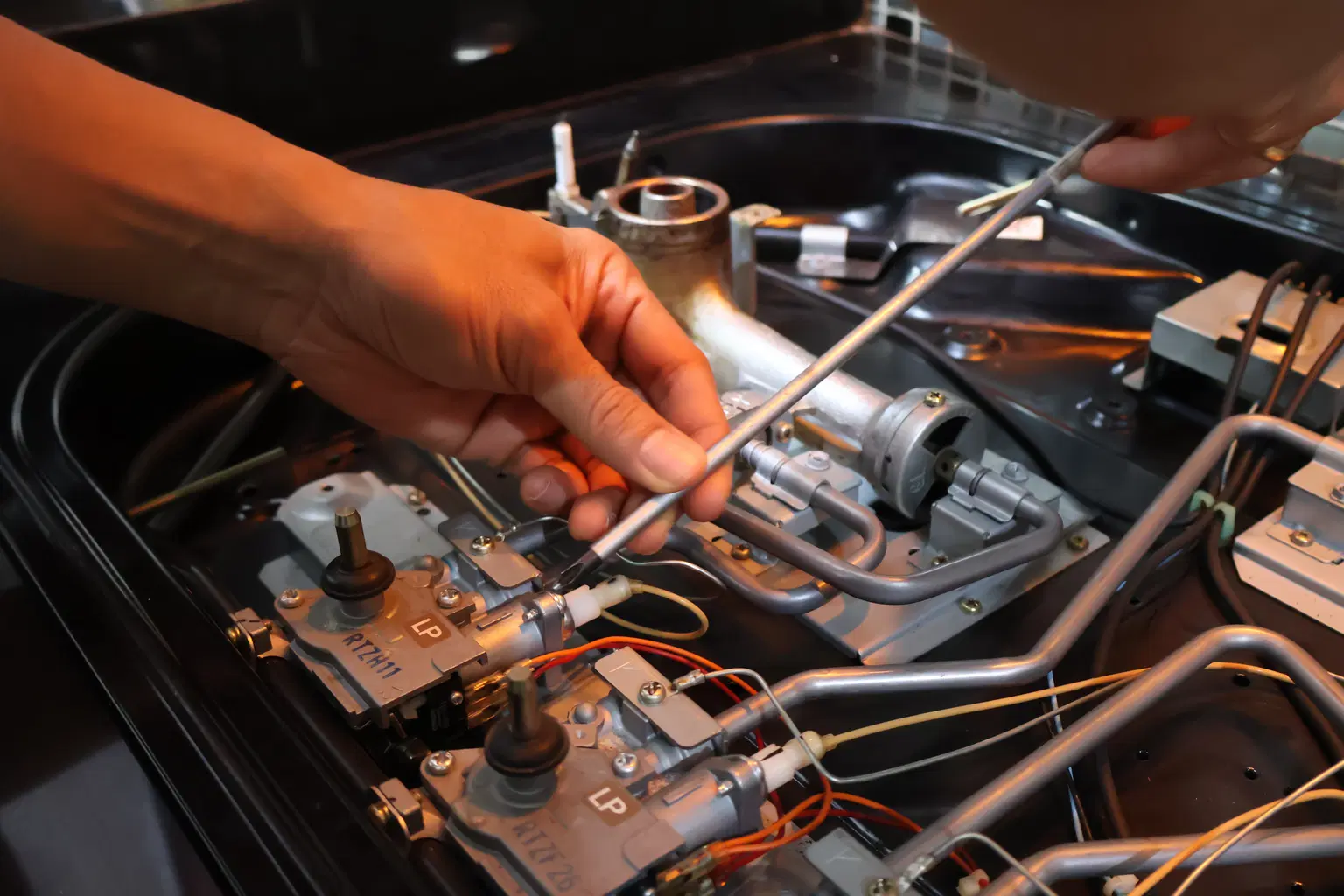
In Ontario, any work on a gas line or gas appliance must be performed by a TSSA (Technical Standards and Safety Authority) certified technician. This isn't just a recommendation; it's the law, designed to protect you. Here’s what a professional brings to the job:
- Certified Expertise: A certified technician has undergone rigorous training and testing to understand the physics of gas, proper connection techniques, and all relevant safety codes. They know how to handle gas lines safely and effectively.
- Proper Tools and Testing: Professionals use specialized tools, including calibrated gas leak detectors, to ensure every connection is secure and airtight. After any appliance installation, they perform thorough tests to confirm there are no leaks and that the appliance is combusting fuel correctly.
- Code Compliance and Permitting: A professional ensures the entire installation, from the gas line to the ventilation, complies with the Ontario Gas Code. They also know when a permit is required for the work, keeping your home compliant and safe.
- Peace of Mind: Knowing your gas stove or dryer was installed by a licensed and insured professional provides invaluable peace of mind. It’s an investment in your family’s safety and the long-term reliability of your appliance.
Key Maintenance Tips and Warning Signs
Once your appliance is professionally installed, regular awareness and simple maintenance can keep it running safely for years. Keep an eye out for these common warning signs that your gas appliance may need a professional inspection:
- The Smell of Rotten Eggs: Natural gas is odorless, so utility companies add a substance called mercaptan to give it a distinct smell. If you smell rotten eggs, leave the house immediately without touching any light switches or electronics, and call your gas utility's emergency line from a safe distance.
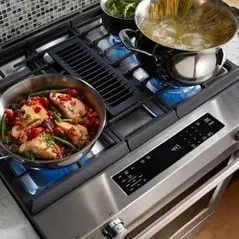
- Yellow or Orange Flames: The flame on your gas stove should be blue. A lazy, yellow, or orange flame indicates incomplete combustion, which can produce carbon monoxide. This is a clear sign you need a service call.
- Soot or Scorch Marks: Black soot marks appearing around your appliance are another indicator of poor combustion and a potential safety hazard.
- Hissing Sounds: If you hear a hissing or whistling sound near a gas line or appliance, it could be a leak. Do not try to find it yourself; evacuate and call for professional help.
- Appliance Malfunctions: If your gas dryer isn't heating clothes properly or your stove burners are inconsistent, it could be a sign of a gas flow or ignition problem that needs professional diagnosis.
Regularly cleaning your appliances according to the manufacturer's instructions can also help ensure they operate efficiently and safely.
Your Trusted Partner for Safe Appliance Services
At Xiom Appliance Solutions Inc., we believe that quality service is built on a foundation of safety and trust. With nearly a decade of experience, our team is committed to providing transparent, reliable, and expert service. When you call us for a gas appliance hookup, we ensure every step is handled with meticulous care, from the initial inspection to the final safety checks.
Don't leave the safety of your home to chance. Whether you're upgrading your kitchen with a new gas stove or need a reliable installation for your new dryer, our certified technicians are here to help. For professional and safe appliance services in the Hamilton area, contact Xiom Appliance Solutions Inc. today to schedule your appointment.