
A Homeowner's Guide to Dishwasher Electrical and Drainage Issues
There’s nothing more frustrating than loading up the dishwasher after a big family dinner, only to be met with silence when you press the start button. Or worse, opening it hours later to find a pool of murky water and dishes that are dirtier than when you started. A malfunctioning dishwasher can throw a major wrench in your daily routine. For homeowners in Hamilton, understanding the difference between a simple fix and a serious problem is key.
Many common dishwasher issues fall into two categories: electrical faults and drainage problems. While some can be resolved with a bit of DIY troubleshooting, others require the expert touch of a professional to ensure safety and prevent further damage. This guide will walk you through some basic checks you can perform and help you identify when it’s time to call for help.
Electrical Gremlins: When Your Dishwasher Won't Start
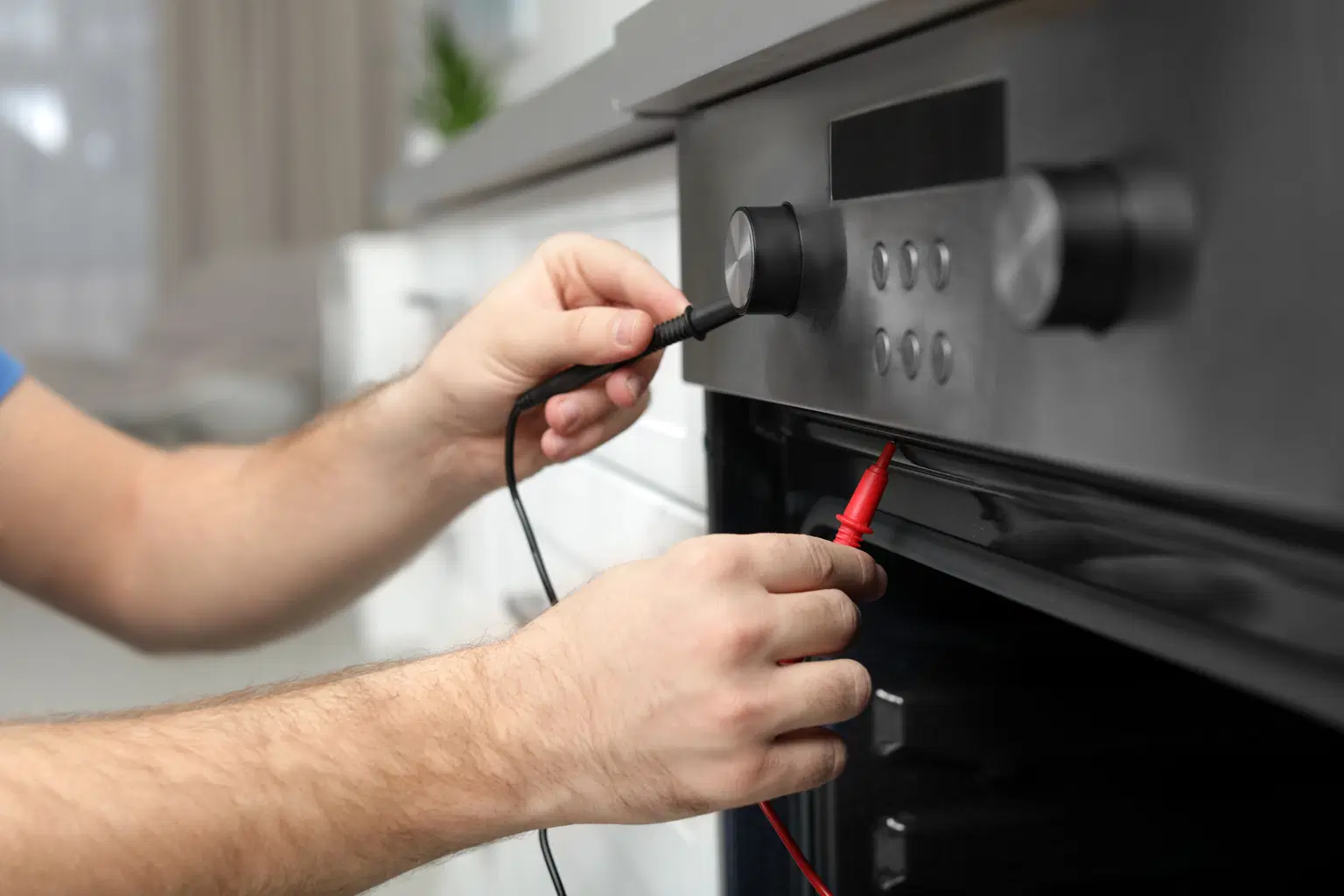
A completely unresponsive dishwasher often points to a power issue. Before you panic, run through these simple electrical checks. These steps can help you diagnose why your dishwasher's control panel is not responding or why it seems to have no power at all.
- Check the Power Source: It might sound obvious, but make sure the dishwasher is securely plugged into the wall outlet. Sometimes vibrations during a cycle can loosen the plug. To be certain the outlet is working, unplug the dishwasher and test the outlet with a small appliance you know works, like a phone charger.
- Inspect the Circuit Breaker: Modern appliances draw a significant amount of power and are usually on a dedicated circuit. Head to your home’s main breaker panel (sometimes called a fuse box) and look for a switch that has flipped to the 'OFF' position or is stuck in the middle. Flip it firmly back to the 'ON' position. If the breaker trips again immediately or frequently, it’s a sign of a more serious electrical problem that needs professional attention. A constantly tripping breaker could indicate a faulty component within the dishwasher that is drawing too much hydro.
- Examine the Door Latch: For safety, dishwashers will not start unless the door is securely closed and the latch is engaged. If the latch is broken or the electronic switch inside it has failed, the machine will think the door is open and won't begin a cycle. Check for any visible damage to the latch mechanism.
- Review the Control Panel: Many modern dishwashers have a 'Control Lock' or 'Child Lock' feature. Check your user manual to see how to disable it, as it’s often activated by accident. If the lock isn't on, a specific button might be stuck or the entire electronic control board could be malfunctioning.
Puddles and Pools: Tackling Common Drainage Dilemmas
Finding standing water at the bottom of your dishwasher is a common, and messy, problem. This almost always indicates a clog somewhere in the drainage system. Fortunately, the culprit is often easy to find and fix.
- Clean the Filter: This is the number one cause of poor drainage. Most dishwashers have a removable filter system at the bottom of the tub designed to catch food particles. Over time, it can become clogged and prevent water from draining. Consult your owner's manual to learn how to remove and clean it. A simple rinse under hot water is usually all it takes.
- Check the Drain Hose: The drain hose is a flexible, ribbed tube that runs from the dishwasher to your sink's plumbing, often connecting to the garbage disposal. Make sure the hose isn't kinked or pinched behind the dishwasher. You can disconnect it (with a bucket ready to catch any water) and check for clogs.
- Clear the Garbage Disposal: If your drain hose connects to the garbage disposal, any food waste in the disposal can block the dishwasher from draining. Run the garbage disposal for 30 seconds with cold water to clear the connection.
If you've tried these steps and the water still won't drain, the issue could be a faulty drain pump or a more significant clog that requires professional tools to resolve.
Why a Professional Diagnosis is Worth It
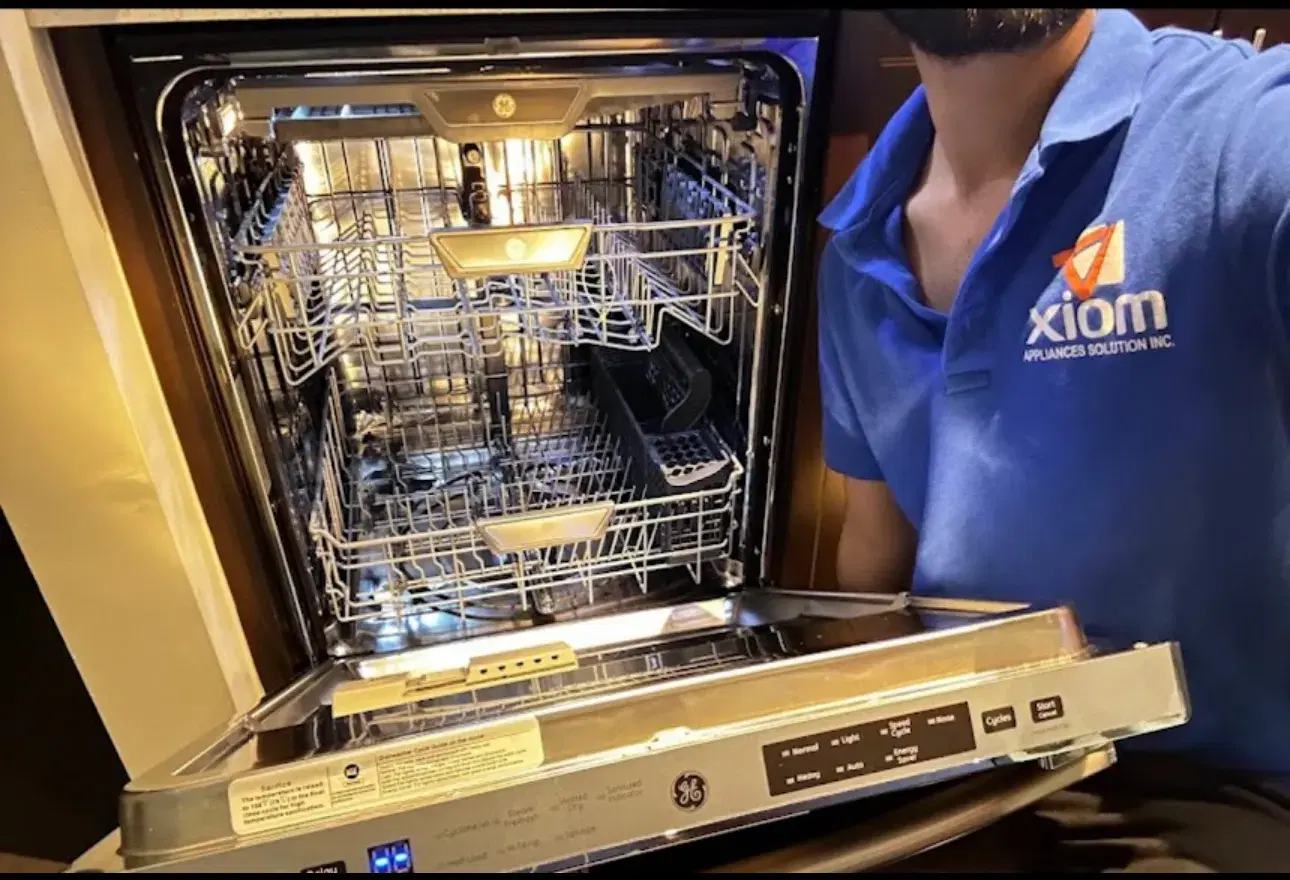
When DIY troubleshooting doesn't solve the problem, it's tempting to keep tinkering. However, with complex appliances that combine water and electricity, this can be risky. Calling a professional technician ensures the problem is diagnosed correctly and repaired safely, adhering to all ESA (Electrical Safety Authority) standards.
At Xiom Appliance Solutions Inc., our service call includes more than just a quick look. It covers the technician's travel time, years of expertise, and the use of specialized diagnostic tools to pinpoint the exact cause of the failure. This prevents you from wasting money on parts you don't need and ensures the repair is done right the first time. We believe in transparent pricing; our diagnostic fee is always applied toward the total cost of the repair, so you know you're getting fair value for a job done safely and efficiently.
Your Trusted Partner for Appliance Repair
While some dishwasher troubles are simple fixes, electrical faults and persistent drainage issues are best left to the experts. Attempting complex repairs without the right knowledge can lead to bigger problems or even create safety hazards in your home. Your peace of mind and your family's safety are always the top priority.
If your dishwasher is acting up, don't let it disrupt your life. The experienced technicians at Xiom Appliance Solutions Inc. are here to provide reliable and professional dishwasher repair throughout the Hamilton area. We also specialize in a full range of appliance repairs and offer dedicated services for property managers. Contact us today to schedule your service and get your kitchen back to running smoothly.