A Homeowner's Guide to Troubleshooting Washing Machine Leaks and Drainage Issues
There are few household appliance failures more frustrating than a washing machine that’s given up. One minute you’re tackling a mountain of laundry, the next you’re staring at a growing puddle on the floor or a drum full of soaking wet clothes that won’t drain. It’s a problem that brings your household routine to a screeching halt. For busy families here in Hamilton, a broken washer isn't just an inconvenience—it's a major disruption.
Before you panic, the good news is that not every leak or drainage problem requires an immediate, costly replacement. Many common issues have simple causes that you might be able to identify yourself. In this guide, we’ll walk you through some basic troubleshooting steps to diagnose the problem. We'll help you understand what to look for and, most importantly, when it’s time to call in a professional for a safe and reliable repair.
Common Culprits Behind a Leaking Washing Machine
A puddle of water spreading from your washer is a clear sign something is wrong. The source of the leak can often be traced to one of a few common areas. Before you do any inspection, the most important first step is safety. Unplug the washing machine from the hydro outlet to eliminate any risk of electric shock.
Here are the most frequent causes of washing machine leaks:
-
Loose or Damaged Hoses: This is the number one cause of washer leaks. Your machine has two water inlet hoses (hot and cold) and one drain hose. Carefully check the connections at both the wall and the back of the machine. Are they screwed on tightly? Inspect the entire length of the hoses for any cracks, blisters, or signs of brittleness. A damaged hose needs to be replaced immediately.
-
Door Seal (Gasket) on Front-Loaders: The large rubber seal around the door of a front-load washer can be a source of slow leaks. Over time, soap scum, dirt, and mildew can build up, preventing a perfect seal. Worse, small items like coins or hairpins can get caught and cause tears. Wipe down the gasket regularly and inspect it for any damage.
-
Overloading and Too Much Detergent: Using too much soap, especially in a high-efficiency (HE) machine, can create an excessive amount of suds. These suds can overwhelm the machine's drainage system and force water out of overflows, often from the bottom of the unit. Similarly, consistently overloading the machine can put stress on its components and lead to leaks.
-
Clogged Drain Pump Filter: Many modern washers have a small filter or “trap” designed to catch lint, coins, and other debris before it reaches the drain pump. If this filter becomes clogged, water can back up and leak out. Check your owner's manual to find its location (usually a small panel on the front base of the machine) and how to clean it.
Why Won't My Washer Drain or Spin?
If your washer completes the wash cycle but leaves you with a tub full of water, the problem lies with its ability to drain and spin. The two actions are linked, as most machines won't enter a high-speed spin cycle until the water has been pumped out. Here’s what to check:
-
Kinked or Clogged Drain Hose: Just like with leaks, the drain hose is a primary suspect. Make sure the hose isn't kinked or crushed behind the machine, which would block water flow. You can also detach the hose from the wall standpipe to check for a clog at the entry point.
-
Unbalanced Load: Modern washing machines have sensors that detect an unbalanced load. If clothes are bunched up on one side of the drum, the machine will often stop before the spin cycle to prevent violent shaking that could damage the unit. Try redistributing the wet clothes evenly and running a “Drain & Spin” cycle.
-
Faulty Lid Switch (Top-Loaders): For safety, top-load washers have a switch that prevents the machine from agitating or spinning when the lid is open. If this switch is broken, the machine will think the lid is always open and will not proceed to the drain and spin phase. You can often hear a “click” when you close the lid; if you don’t, the switch may be the issue.
-
A Problem with the Drain Pump: If you’ve checked the filter and the hose and the machine still won't drain, the issue may be the drain pump itself. The pump can become blocked by a small object that made it past the filter, or the motor on the pump may have failed. You might hear a humming noise from the pump as it tries—and fails—to engage.
Knowing When to Call a Professional Technician
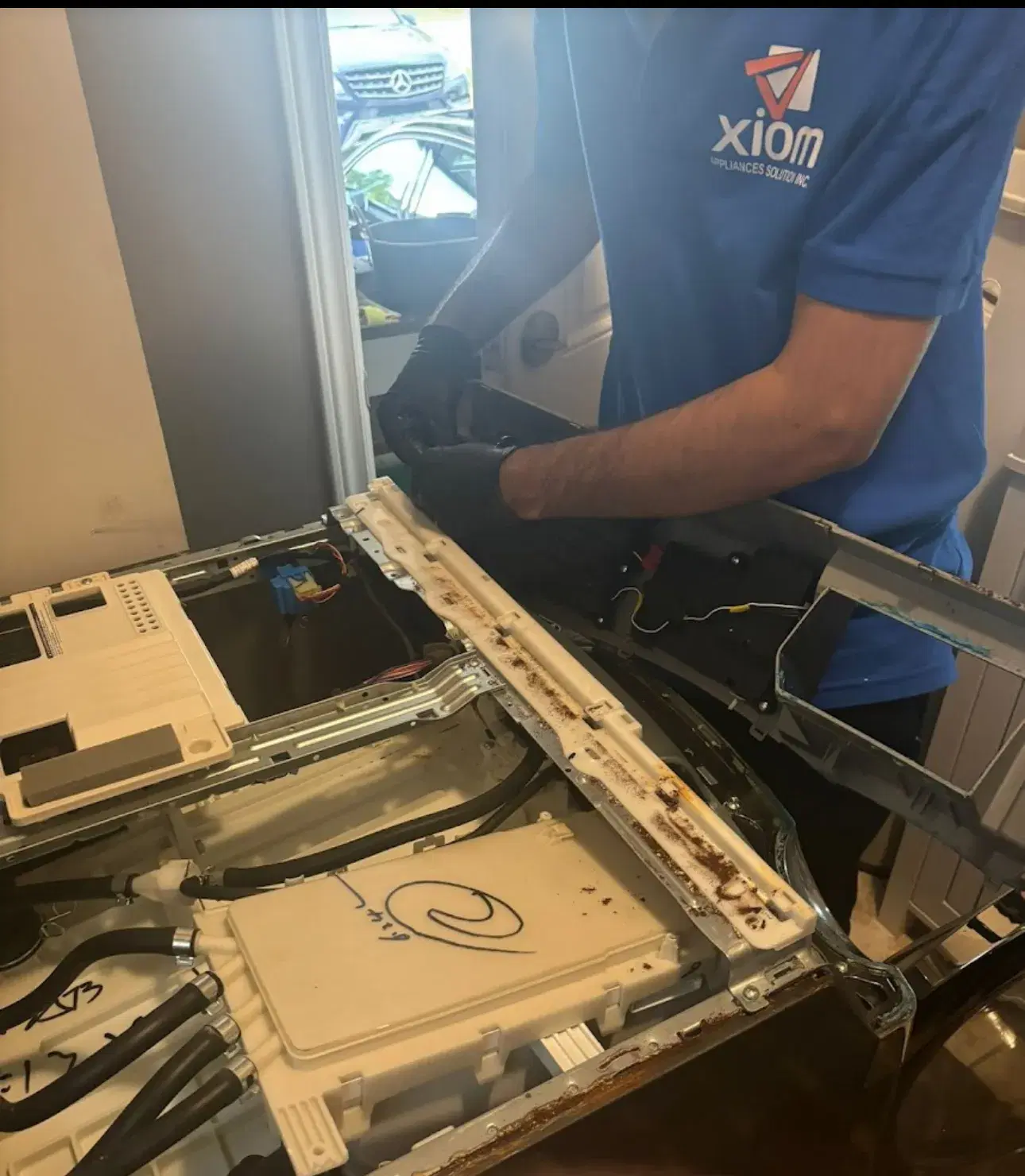
While some of these checks are simple, it's crucial to recognize the limits of a DIY fix. Appliance repair involves working with water and electricity, a combination that requires caution and expertise. You should call a professional if:
- You're Uncomfortable with the Repair: If you’re not confident in your ability to safely diagnose or fix the problem, it’s always best to call an expert. Your safety is the top priority.
- The Problem Involves Electrical Components: Issues with lid switches, pump motors, control boards, or internal wiring should only be handled by a qualified technician.
- You Can't Find the Source of the Leak: If water seems to be coming from the bottom of the machine and it’s not related to suds or the drain filter, it could be an internal hose or a cracked tub, which requires disassembly.
- The Machine is Making Loud Noises: Grinding, rattling, or screeching noises during a cycle can indicate serious mechanical problems, such as failing bearings or a broken motor coupling.
Attempting a complex repair without the right tools and knowledge can lead to further damage, turning a manageable fix into a much more expensive problem. A professional diagnosis from an experienced technician can quickly pinpoint the issue and provide an accurate quote for the repair, saving you time and stress.
Don't Let Laundry Day Turn into a Disaster
Dealing with a faulty washing machine is a major headache, but you don't have to face it alone. By checking for simple issues like clogged hoses and unbalanced loads, you can sometimes solve the problem yourself. However, for more complex or uncertain situations, professional help is your safest and most effective option.
If you're in the Hamilton area and your washer is leaking, not draining, or just not working right, the experienced team at Xiom Appliance Solutions Inc. is here to help. We provide fast, reliable, and affordable appliance repair to get your household back on track. For prompt and professional washer repair, contact us today. We also offer comprehensive Property & Condo Appliance Management services for property managers seeking dependable maintenance solutions.