
Troubleshooting Dishwasher Heating and Drying Problems
It is incredibly frustrating when your wash cycle finally finishes, you open the door expecting sparkling, dry plates, and instead find everything dripping wet. If you find yourself constantly wondering why are my dishes still wet after dishwasher cycle, you are certainly not alone. Many homeowners across the GTHA run into this exact issue with their kitchen appliances. Whether you are running a busy household in Stoney Creek or simply trying to get through your evening chores, a dishwasher that fails to dry your dishes adds unnecessary time and effort to your daily routine.
While some moisture on plastics is normal due to how they retain heat, finding standing water on your ceramic plates and glassware points to an underlying malfunction. Dishwashers rely on a delicate balance of heat, airflow, and drainage to operate effectively. When one of these systems falters, the drying process is completely compromised. In this guide, we will walk you through the most common reasons your appliance is struggling to heat up and dry properly, helping you understand when a simple fix will do the trick and when it is time to call in the professionals.
Inspecting the Heating Element
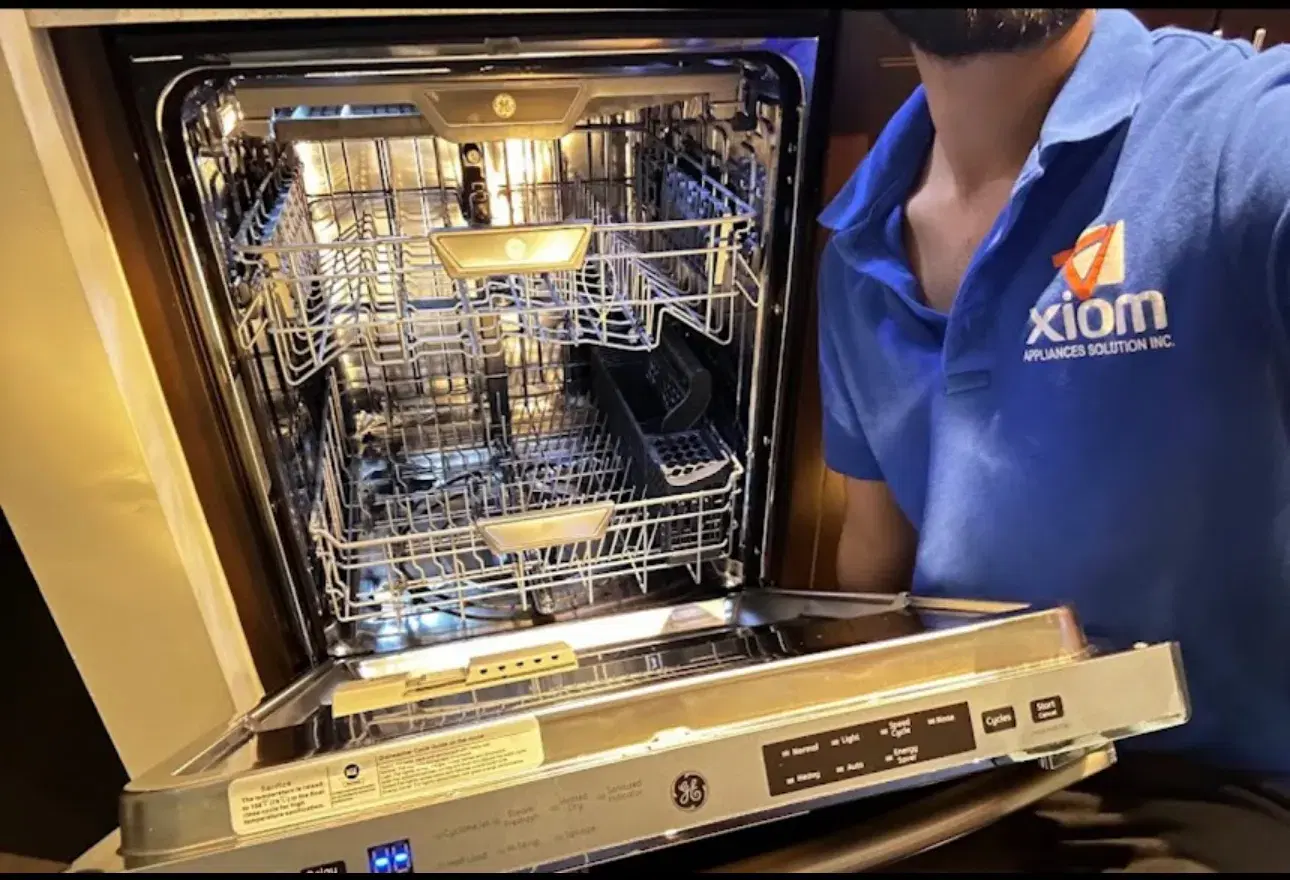
When tackling dishwasher heating element not working troubleshooting, the first suspect is usually the element itself. This component is typically a horseshoe-shaped metal tube located at the very bottom of the dishwasher tub. Its job is twofold: it heats the water to the correct temperature during the wash cycle to break down grease, and it radiates intense heat during the final cycle to bake the moisture off your dishes.
Over time, heating elements endure a significant amount of thermal stress. They can eventually burn out, crack, or become heavily coated in calcium and hard water mineral deposits, which insulates the element and prevents heat from reaching the tub. You can perform a quick visual inspection of this part once the machine is off and cooled down. Look for any visible blistering, separated sections, or dark burnt spots on the metal. If the element looks physically damaged, it will absolutely need to be replaced. However, if it looks completely normal but the tub remains cold, the issue might lie in the electrical components that tell the element when to turn on.
Thermostats and Temperature Control
Your dishwasher is equipped with safety sensors designed to monitor water temperature and prevent the machine from overheating. The high limit thermostat is a crucial safety device that acts as a fail-safe. If the water gets too hot, this thermostat trips and completely shuts off the power to the heating element to prevent damage to the appliance or your home.
Sometimes, this component malfunctions and trips prematurely, or simply breaks, leaving you with cold water and wet dishes. While some DIY enthusiasts might look up how to test dishwasher high limit thermostat with multimeter, it is important to understand the risks. Accessing this part usually requires shutting off the power at the breaker, removing the bottom kick-plate panel, and safely handling the internal wiring. Testing for electrical continuity can be tricky without the proper experience. Because this involves direct electrical currents and diagnostic precision, it is highly recommended to have a certified professional handle the testing and replacement to ensure your kitchen remains safe and up to current code standards.
Venting, Airflow, and Drainage
Even if your machine is generating plenty of heat, the resulting steam and moisture need a way to escape. Modern appliances use a vent fan assembly to actively push the humid air out of the tub. If you have a dishwasher vent fan assembly not opening during dry cycle, all that heavy, moist air remains trapped inside. As the appliance cools down, the humidity simply condenses right back onto your freshly washed dishes and silverware.
This lack of airflow not only leaves you reaching for a dish towel, but it also forces the machine to work harder, which can quietly drive up your monthly hydro bill. Additionally, poor drainage can contribute to the humidity problem. If there is standing water left in the bottom of the tub due to a clogged filter or a failing drain pump, the interior environment will remain far too humid for any evaporation to occur. Always ensure your filters are clear of food debris, as this simple maintenance step can drastically improve both washing and drying performance.
For those overseeing multiple units or rental properties, keeping these intricate systems running smoothly across various locations is a major priority. If you need reliable assistance maintaining appliances for your tenants, our property and condo appliance management services ensure that your properties remain efficient and your renters are not left dealing with lingering maintenance headaches.
Everyday Habits to Improve Drying
Before assuming there is a mechanical failure, it is always wise to evaluate how you are using the machine. The use of a rinse aid is practically mandatory for modern, energy-efficient dishwashers. Rinse aid reduces the surface tension of the water, allowing it to sheet off your dishes rather than forming droplets that cling to the surface. If your rinse aid dispenser is empty, your drying performance will plummet significantly.
Loading habits also play a huge role. Overcrowding the racks prevents hot air from circulating freely around the items. Ensure that concave items, like bowls and cups, are placed at an angle so water can easily drain off their bases. Finally, if you are washing a heavy load of plastic containers, remember that plastics do not retain heat the way glass and ceramic do, making them inherently more difficult for the machine to dry completely.
Honest Diagnostics and Reliable Solutions
Dealing with an appliance that only does half its job can disrupt your entire evening. At Xiom Appliance Solutions Inc, we understand that unexpected breakdowns are stressful, which is why our core values are built entirely around affordability, quality service, and transparent pricing. With almost a decade of hands-on experience, we believe in keeping the repair process as straightforward as possible. We charge a simple service fee of $89.99 plus tax to accurately diagnose the problem, and this fee is fully deducted from your total service cost when you choose to proceed with the repair.
If you are tired of towel-drying your plates every night, we are here to help. Reach out to our dedicated team in Hamilton for professional dishwasher installation and repair. We will quickly identify whether you are dealing with a faulty heating element, a broken thermostat, or a ventilation issue, delivering a safe and lasting solution so you can get back to enjoying your home without the hassle.