
Troubleshooting Dishwasher Water Fill and Circulation Issues
Opening your dishwasher expecting sparkling clean plates, only to find a dry, soapy mess, is incredibly frustrating. For busy households in Hamilton, a malfunctioning dishwasher can quickly throw off your entire daily routine. When your appliance isn't working as it should, the problem usually comes down to one of two things: it isn't getting enough water, or the water isn't circulating properly to clean the dishes.
While some minor clogs can be cleared out with simple maintenance, other problems require a closer look at the internal components. In this guide, we will walk through the common culprits behind water fill and circulation issues so you know exactly what might be happening beneath the surface.
Why Your Dishwasher Isn't Filling with Water
If you start a cycle and hear a low humming sound but no splashing, your appliance is likely struggling to draw water. When doing dishwasher not filling with water troubleshooting, the first thing to check is the water supply line. Ensure the shut-off valve under your sink is fully open and that the line isn't kinked.
If the water supply is fine, the issue is almost always the water inlet valve. This component sits at the bottom of your appliance and uses an electronic solenoid to open and close, allowing water into the tub. Over time, hard water mineral deposits can clog the valve's internal screen, or the electrical solenoid itself can fail. Proper dishwasher water inlet valve testing and replacement requires accessing the bottom panel of the unit, checking the valve with a multimeter for continuity, and swapping the part if it has failed electrically or mechanically. Because this involves both plumbing and electrical connections, it is often best left to an experienced technician.
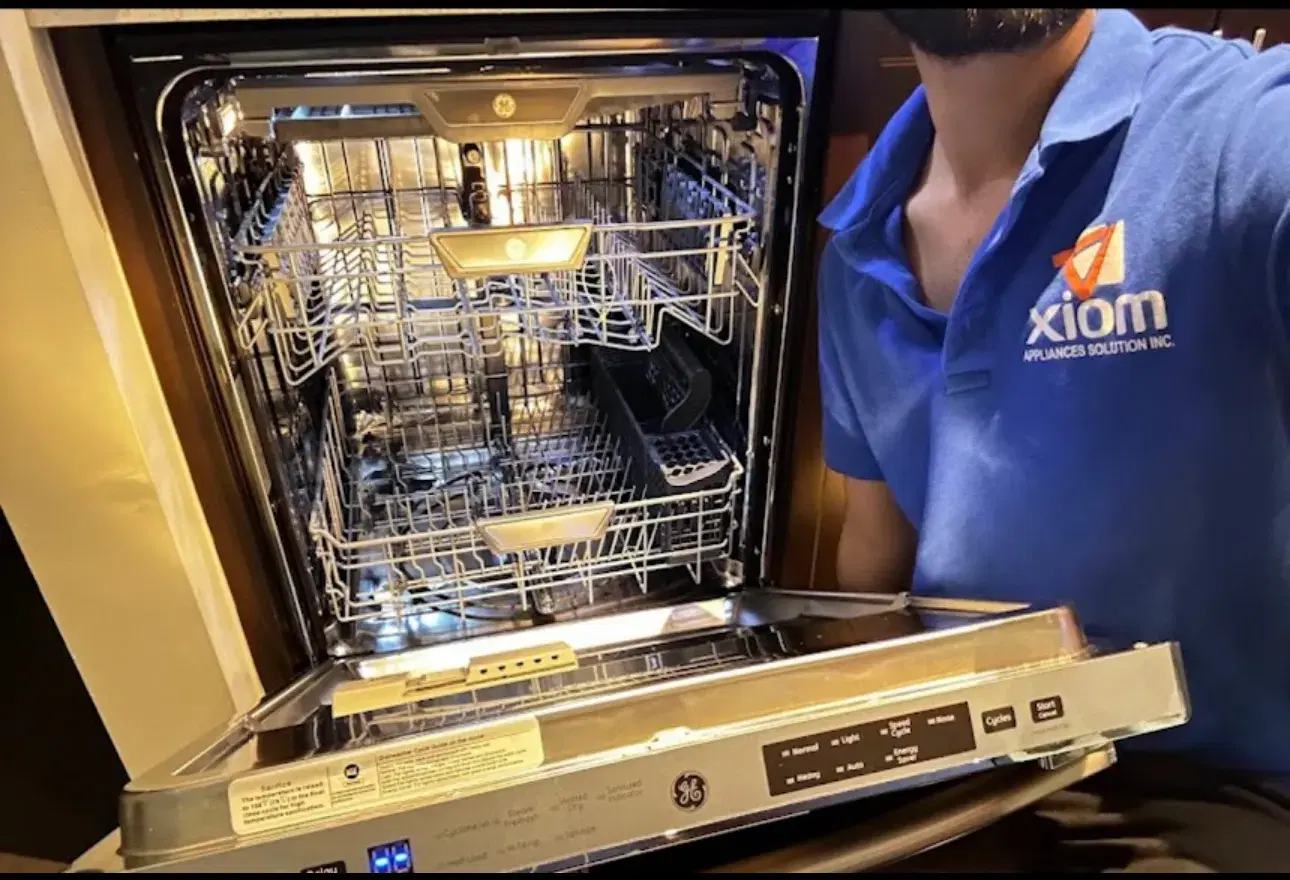
Resolving Poor Water Circulation and Low Pressure
Sometimes your dishwasher fills perfectly fine, but the dishes on the top rack come out completely dirty. This points to a circulation issue. The water is there, but it isn't being pushed with enough force to do its job.
If you are wondering how to fix dishwasher spray arm low pressure, start by inspecting the spray arms themselves. Remove the bottom and top spray arms and check the small exit holes. Food debris, broken glass, or hard water scale can easily block these nozzles. A toothpick or a piece of wire can gently dislodge these blockages.
If the spray arms are clear, the circulation pump might be failing. The pump motor forces the water up through the arms during the wash cycle. If you hear a grinding noise or the motor is completely silent after the appliance fills with water, the motor impeller might be jammed with debris or the pump itself may have burned out. Residents up on The Mountain often experience hard water buildup, which can put extra strain on these pumps over time.
Uncovering the Mystery of Dirty Dishes
One of the most common complaints we hear is about glasses coming out cloudy or plates having gritty spots. There are a few primary reasons dishwasher leaves residue on clean dishes.
First, check your main filter at the bottom of the tub. Many modern dishwashers no longer use hard food disposers; instead, they rely on a manual filter that needs to be rinsed out monthly. If this filter is clogged with grease and old food, dirty water simply recirculates onto your clean dishes.
Second, the water temperature might be too low. Dishwasher detergent needs water that is at least 120 degrees Fahrenheit to activate properly and dissolve grease. If your home's water heater is set too low, or if the dishwasher's internal heating element is broken, you will likely be left with a soapy, greasy residue.

When to Call in the Experts
While cleaning a filter or unclogging a spray arm is a great weekend project, replacing internal pumps, testing electrical valves, and handling hardwired connections should be left to a professional. Not only does this ensure your safety, but it also protects the lifespan of your appliance.
At Xiom Appliance Solutions Inc, we believe in transparent, honest service for everyone in The Hammer and the surrounding region. We start every service call with a clear diagnostic process. Our diagnostic fee is $89.99 plus tax, which goes directly toward the total cost of your repair if you choose to proceed. We will tell you exactly what is wrong and provide a straightforward solution without any hidden surprises.
If you are tired of hand-washing your dishes because your appliance won't cooperate, let us help. Learn more about our comprehensive Appliance Repair solutions, or visit our dedicated Dishwasher Installation & Repair page to see how we can restore convenience to your kitchen. Ready to get things flowing again? Contact us today to schedule your service appointment.